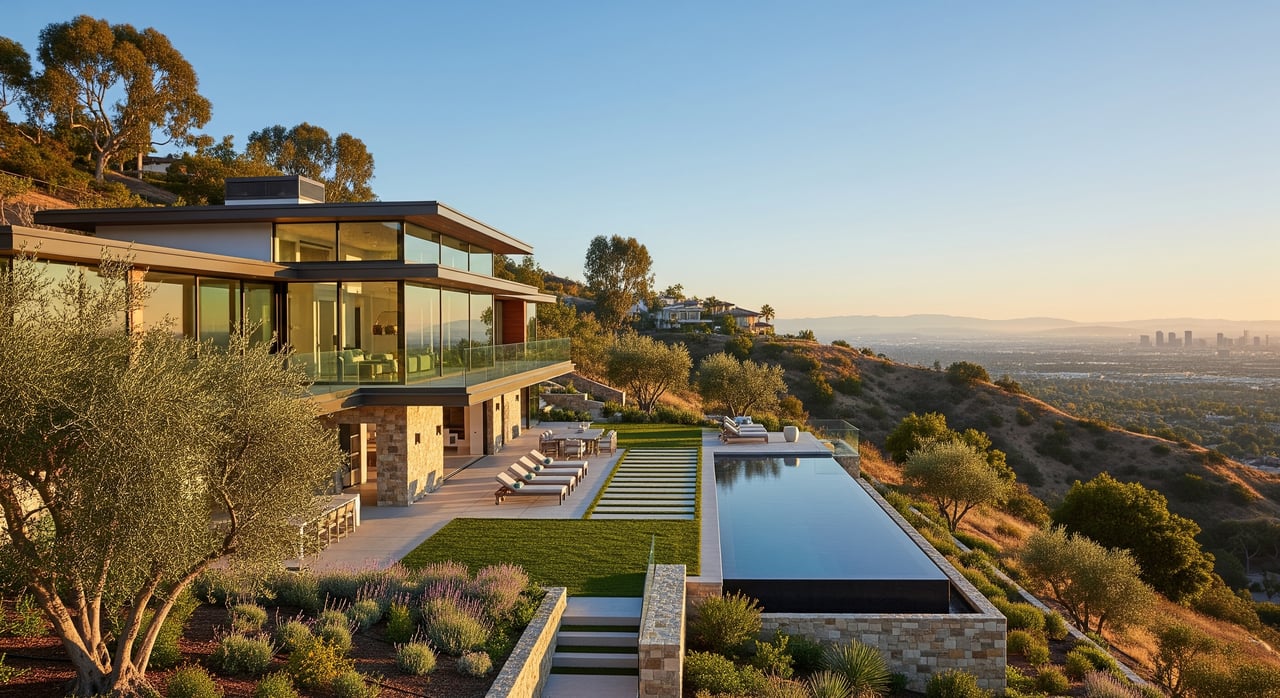
Are you torn between a hillside home with sweeping views and a flat lot with more usable space in Granada Hills? You are not alone. Each option offers real benefits, along with maintenance, permitting, and insurance considerations that can affect your budget and resale. In this guide, you will learn how access, privacy, risk, and long-term costs compare so you can choose with confidence. Let’s dive in.
Granada Hills terrain at a glance
Granada Hills sits at the base of the Santa Susana Mountains, so lot types change quickly from flat valley parcels to steeper foothill properties. Summers are hot and dry, and winters are mild with periodic heavy rains. That pattern raises wildfire exposure on brushy slopes and can stress hillside drainage during storms.
Before you commit to a lot type, preview parcel-specific risks. Review building and grading history with the City of Los Angeles Department of Building and Safety, and check hazard maps for wildfire, seismic, and flood exposure using the CAL FIRE Fire Hazard Severity Zone maps, the California Geological Survey hazard maps, and the FEMA Flood Map Service Center.
Access and day-to-day living
Hillside access
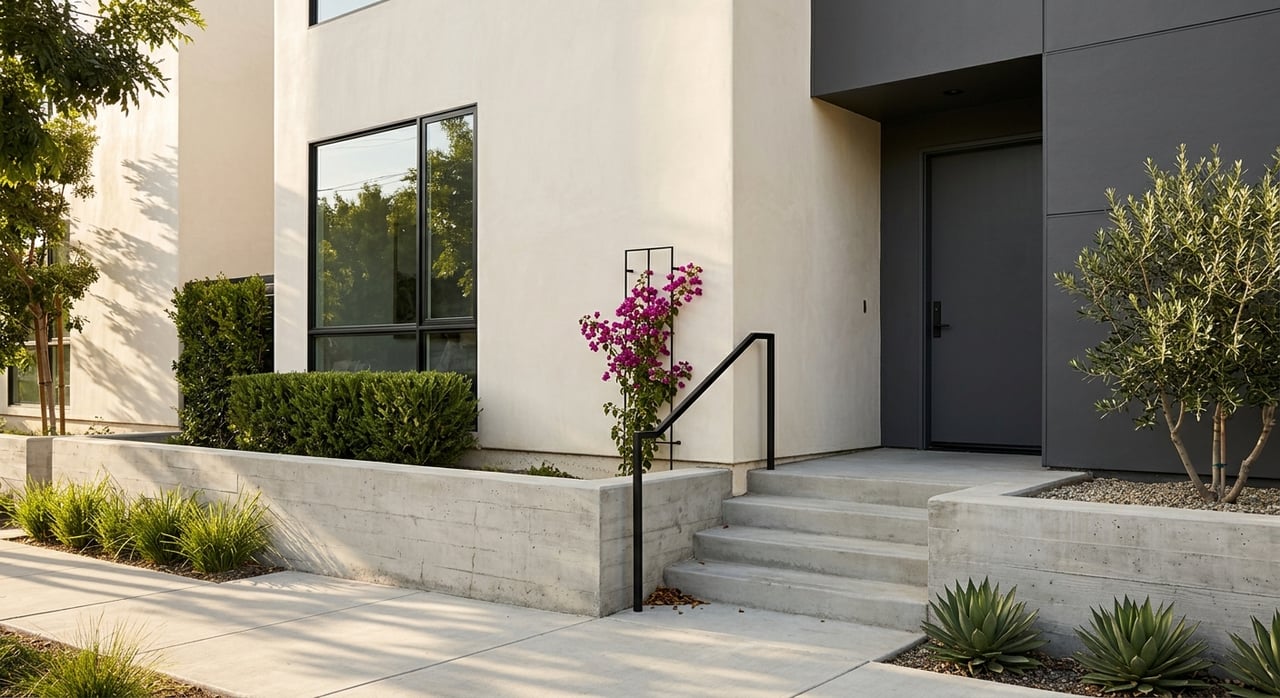
Steeper driveways and limited street parking are common on hillside streets. Grades above roughly 10 to 12 percent can be tough for larger vehicles and slippery during heavy rain. Some roads have emergency access standards that affect turnarounds and width. Plan for guest parking, delivery access, and driveway drainage.
Flat-lot access
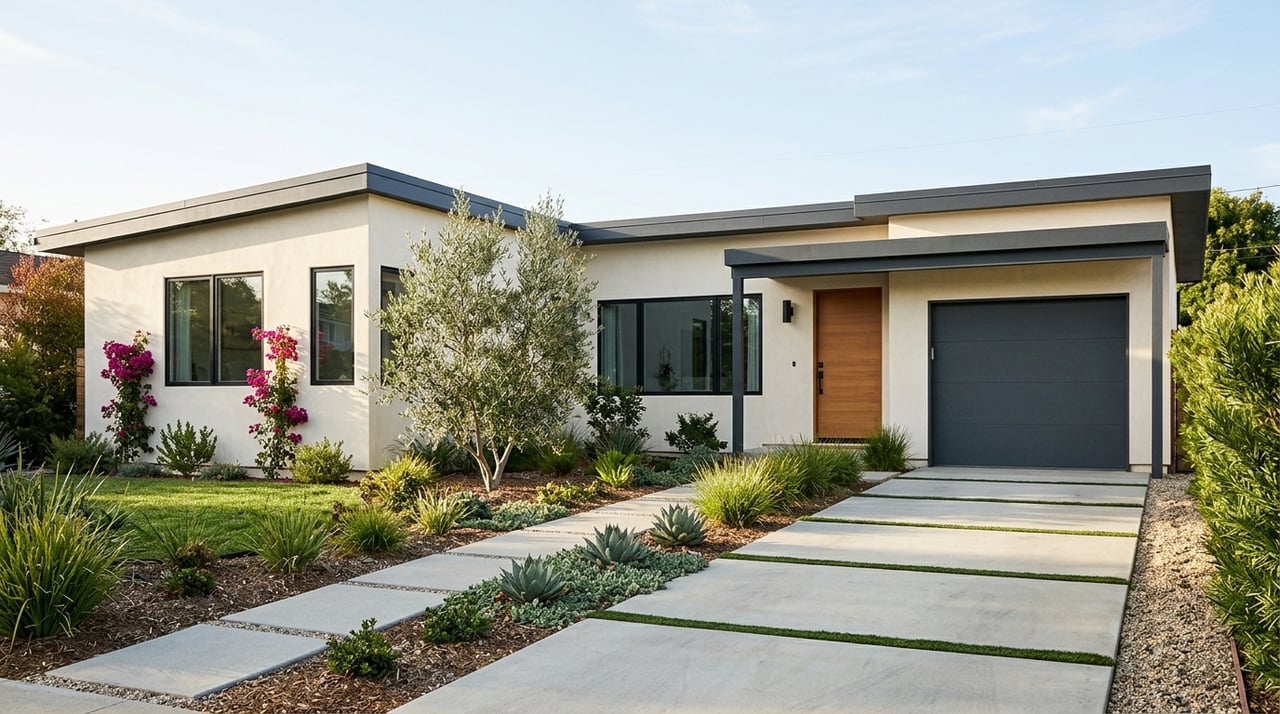
Flat parcels typically offer simpler driveways, easier garage access, and better on-street parking. That can help with moving days, frequent deliveries, and mobility needs. Daily living often feels more convenient because slopes, stairs, and steep grades are limited. You may also have more options for expanded parking or an ADU.
Privacy and views
Hillside homes often deliver bigger valley or sunset views and a greater sense of privacy. Views are a major value driver in Los Angeles, but they vary by angle, vegetation, and potential future development. View protection is rarely guaranteed, so verify what is built around and above the lot.
Flat lots usually have closer sight lines to neighbors and fewer panoramic vistas. Smart landscaping and setbacks can still create private outdoor areas, but the experience is different than a perch on the slope.
Usable space and design flexibility
On hillside parcels, gross lot size can look large, but usable flat area is often smaller. Adding a pool, deck, or lawn may require engineered grading, retaining walls, and permits. That complexity can limit expansion options without significant planning and budget.
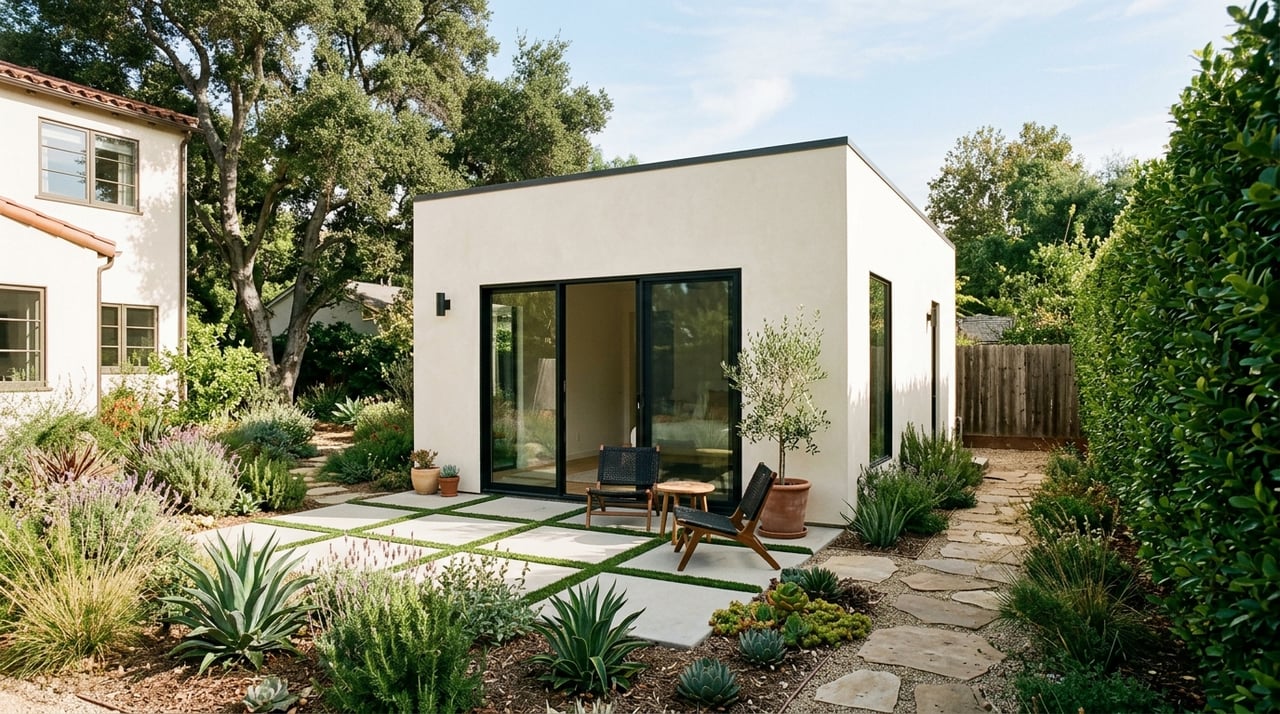
Flat lots generally offer simpler, more flexible space for additions, ADUs, pools, and outdoor living. If maximizing backyard usability is your goal, flat can be the more straightforward path.
Building, permits, and costs
Hillside projects often require geotechnical reports, engineered foundations, retaining walls, and erosion control. Expect closer permit scrutiny for grading and hauling. Start your due diligence with the City of Los Angeles Department of Building and Safety to review existing permits and understand what new work will require.
On flat lots, foundations and site work are typically simpler, which can keep engineering and earthwork costs down. Always verify permit history and make sure additions and retaining walls, if any, were permitted and finalized.
Maintenance and long-term risk
Hillside ownership usually includes ongoing slope care. Plan for drainage maintenance, vegetation management, and periodic inspection of retaining walls. Because summers are dry and brushy, wildfire defensible space can be especially important. Review the CAL FIRE Fire Hazard Severity Zone maps to understand local requirements and exposure.
Flat lots usually involve more routine yard and driveway maintenance. While drainage still matters in heavy rains, there are fewer slope-specific systems to monitor in most cases.
Insurance, disclosures, and financing
Standard home policies often exclude earthquake and earth movement like landslides, which are relevant to hillsides. You may need separate earthquake coverage and should expect underwriters to ask about slope stability, retaining walls, and wildfire mitigation. For guidance on coverage types and exclusions, review the California Department of Insurance’s guidance.
Sellers should disclose grading history, retaining walls, and any past slope movement or repairs. Lenders may request additional inspections or limit financing if there are visible risks or unpermitted work. Clear documentation helps smooth underwriting and appraisal.
Pricing and resale in Granada Hills
On hillsides, the biggest value boosters are high-quality, unobstructed views, privacy, and well-designed indoor-outdoor areas. Buyers respond to usable terraces and engineered improvements that make the slope practical. The main detractors are limited flat yard area, difficult access or parking, and signs of slope or drainage issues.
Flat lots tend to attract a wider buyer pool because they are easier to use and modify. They can trade faster when they are move-in ready and well presented. No single percentage applies to a view premium here, so accurate pricing depends on recent comps that isolate view quality, usable land area, and engineered improvements.
What to check before you buy
Use this quick first-step list to reduce surprises:
- Pull permit history and grading records with the City of Los Angeles Department of Building and Safety.
- Check wildfire exposure using the CAL FIRE Fire Hazard Severity Zone maps.
- Review seismic and landslide context on the California Geological Survey hazard maps and USGS landslide and seismic resources.
- Confirm flood risk on the FEMA Flood Map Service Center.
- Ask for geotechnical, structural, and drainage reports, plus any retaining-wall permits and plans.
- Get preliminary input from your insurance broker about earthquake and wildfire coverage.
Seller prep for hillside homes
- Gather documentation: geotechnical reports, grading and retaining-wall permits, and records of slope work.
- Maintain safety: clear and repair drainage systems, address visible erosion, and have retaining walls checked.
- Strengthen wildfire readiness: follow defensible-space rules if applicable and keep proof of compliance.
- Build buyer confidence: tidy terraces and vegetation, and consider commissioning a fresh geotechnical evaluation.
- Be transparent on costs: get contractor estimates for needed slope or drainage work and disclose any unpermitted items.
Flat-lot quick checks
- Verify lot coverage, setbacks, and potential for additions or an ADU.
- Inspect site drainage and grading around the foundation, especially near patios and driveways.
- Confirm permit history for past additions, garage conversions, or pools.
- Evaluate parking flexibility for guests, work vehicles, or future EV charging.
The right team for hillside decisions
For hillside transactions, consider involving a licensed geotechnical engineer, a structural engineer for foundations and retaining walls, and a contractor familiar with grading and excavation permits. An insurance broker who understands wildfire and slope-related exclusions can help set expectations early. A local real estate team experienced with Granada Hills terrain can coordinate documents, inspections, and the right comp set for pricing.
Ready to compare specific Granada Hills properties and run a tailored plan for your goals? Reach out to The Payab Group for local guidance, document checklists, and pricing strategy. Get your free home valuation today.
FAQs
How do I check wildfire risk for a Granada Hills property?
- Use the CAL FIRE Fire Hazard Severity Zone maps to see whether the home sits in a mapped hazard area and plan defensible space accordingly.
What permits matter most for hillside homes in Los Angeles?
- Prioritize grading and retaining-wall permits, foundation plans, and finaled building permits through the City of Los Angeles Department of Building and Safety.
Are views legally protected on Granada Hills hillsides?
- In most cases, views are not guaranteed, so verify potential development above or adjacent to the lot and account for vegetation growth over time.
What insurance should I consider for a hillside property?
- Review earthquake coverage options and ask about earth movement and wildfire exclusions using the California Department of Insurance’s guidance and an experienced broker.
How do lenders view retaining walls and slope stability?
- Lenders may request inspections or limit financing if walls show distress or if there is evidence of slope movement, so documented engineering and permits help.
Do flat lots usually cost less to improve than hillsides?
- Often yes, because flat sites typically use simpler foundations and grading, while hillsides can require geotechnical reports, engineered walls, and erosion control.