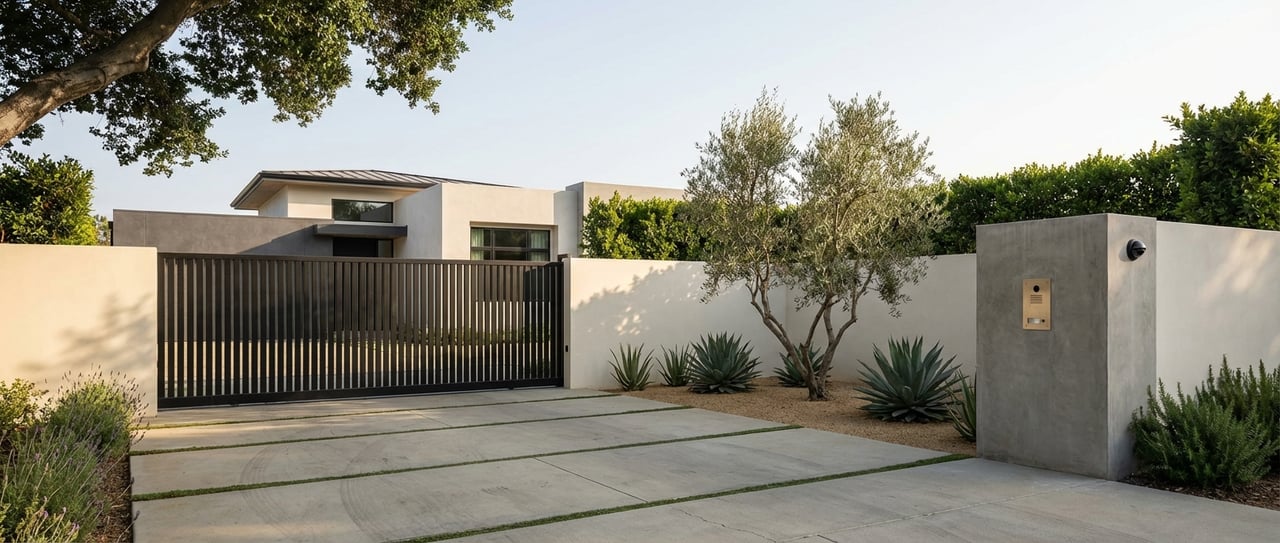
Thinking about life behind the gates in Calabasas? You want privacy, convenience, and a calm neighborhood feel without giving up access to shops, schools, and trails. In this guide, you’ll see what gated living here really offers, what it costs, how the HOAs work, and the key steps to buy with confidence. Let’s dive in.
What “gated community” means in Calabasas
In Calabasas, a gated community usually means a guard- or key-controlled entry, limited visitor access, and shared amenities you can use without leaving the neighborhood. Most have an HOA that maintains the common areas and sets community rules.
You’ll see a range of options, from larger family-focused tracts to ultra-private, custom-estate enclaves. Names you may hear include The Oaks, The Estates at The Oaks, and Calabasas Park Estates. Hidden Hills sits next door as a separate city with a similar focus on privacy.
Why buyers choose gated living
Buyers choose Calabasas gates for three main reasons:
- Added privacy and controlled access that reduces outside traffic on neighborhood streets.
- Resort-like amenities such as pools, fitness rooms, and courts a short drive or walk from home.
- Convenient access to outdoor recreation and public schools. Many communities feed into the Las Virgenes Unified School District. You can review attendance boundaries and programs on the district’s site at the Las Virgenes Unified School District.
Home types and price context
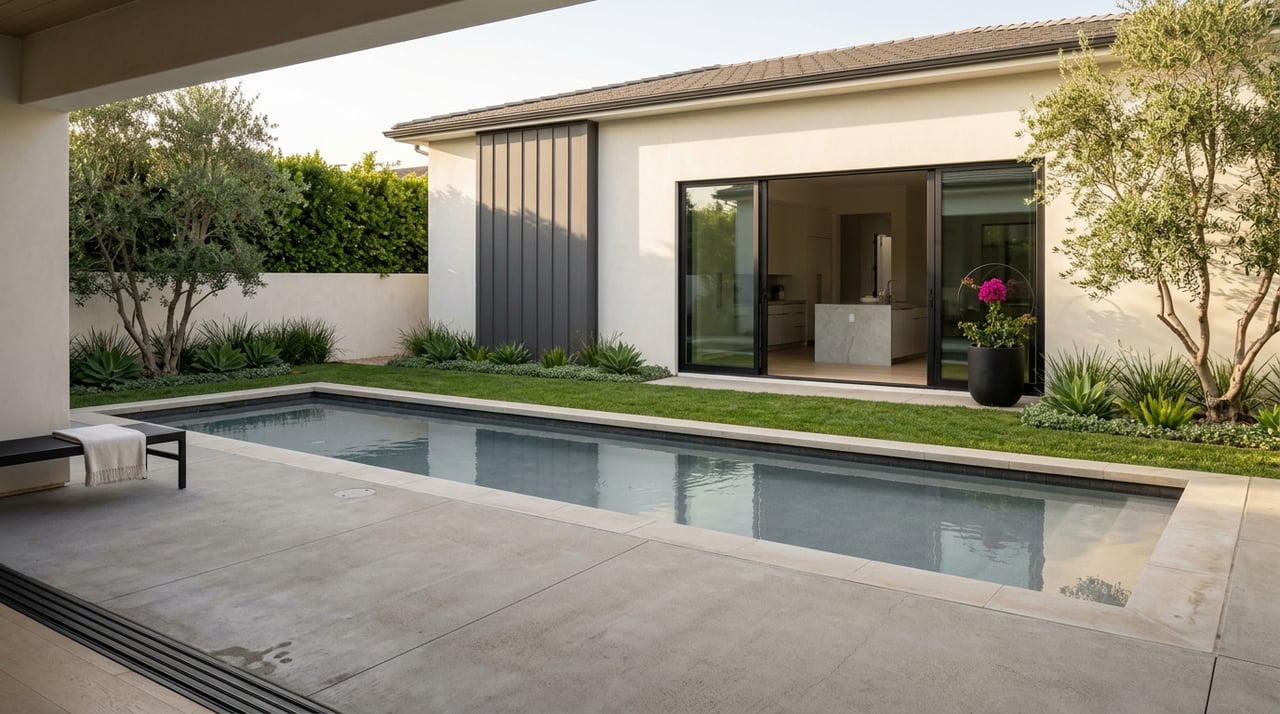
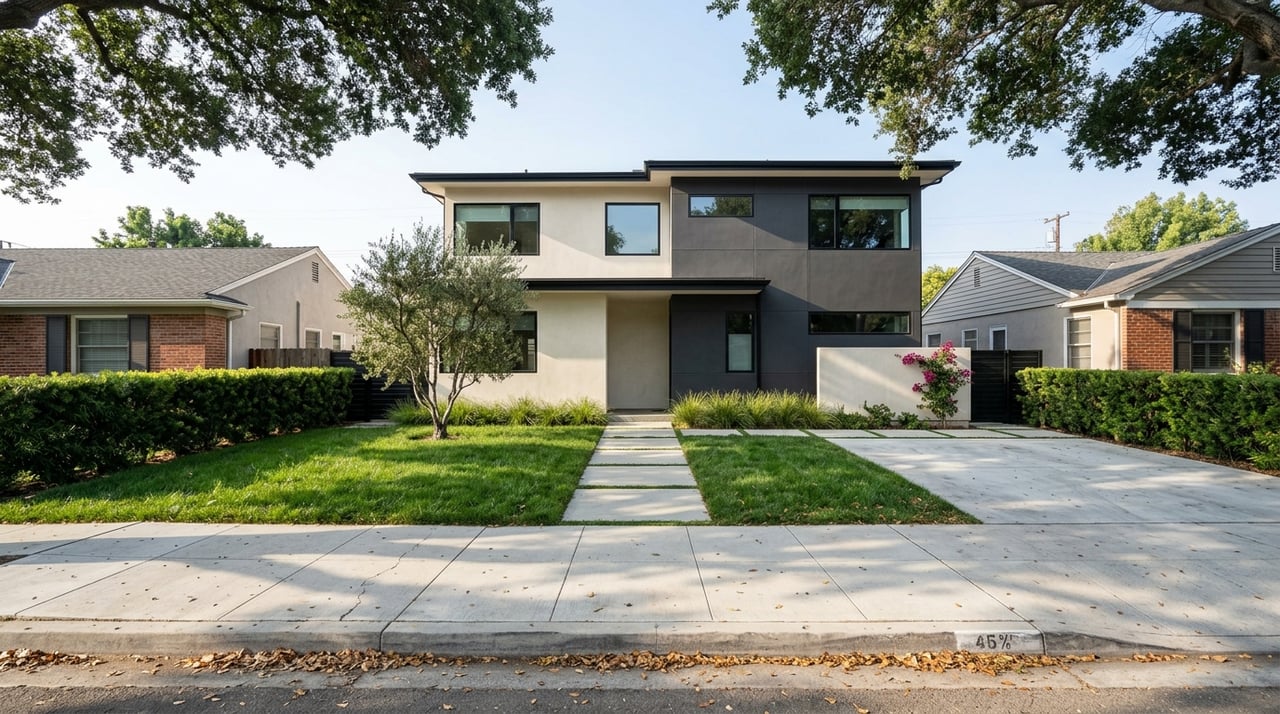
Inside the gates, you’ll find newer luxury tracts, semi-custom homes, and custom estates. Many properties include open-plan interiors, modern updates, and backyard amenities such as pools, spas, and outdoor kitchens. Home sizes often range from about 3,000 to over 10,000 square feet, with larger custom homes in the most exclusive sections.
For price context, citywide trackers place typical Calabasas home values around the mid to upper 1 million range. Monthly medians can vary based on source, method, and the mix of homes that sell in a given month. Gated enclaves usually sell at a premium to the city median, and marquee neighborhoods trade in the multi-million range. Treat any neighborhood median as directional and confirm with recent comparable sales when you target a specific street or tract.
Amenities and security you can expect
Most Calabasas gated communities offer a comfortable, low-maintenance lifestyle. You’ll often find:
- Residents’ clubhouse and fitness rooms
- Olympic or junior Olympic pools and spas
- Tennis or pickleball courts and playgrounds
- Private parks, greenbelts, and walking or hiking trails
- Landscaped common areas with HOA-managed upkeep
Many communities operate 24-7 guard gates or staffed visitor entries. Others use controlled access lists and updated technology for guests and contractors. Policies and systems vary by neighborhood, so confirm the details that matter most to you during due diligence.
How HOA dues work
Your monthly HOA assessment covers the services and upkeep that keep the community running. Typical line items include:
- Gate staffing and access systems
- Common-area landscaping and irrigation
- Clubhouse, pool, and spa maintenance
- Insurance for common areas
- Private street, lighting, and trash services where applicable
- Vendor contracts and management
In Calabasas, many gated communities show monthly dues that often fall from the low 200s to the mid 600s, with higher fees in double-gated or resort-style enclaves. Dues change as amenities evolve and reserve needs shift. Always review the current budget, reserve study, and insurance summary before you make an offer. For a quick overview of what California HOAs must disclose, see the state guidance on Homeowners’ Associations from the California Department of Real Estate.
Daily life and nearby conveniences
Day to day, many residents enjoy a self-contained rhythm: morning walks on interior trails, workouts at the clubhouse, and a quick swim or tennis at the end of the day. For errands and dining, you’re a short drive from The Commons, Old Town Calabasas, and larger retail hubs throughout the West Valley. Old Town’s weekend farmers market and local museums and parks give the city a steady calendar of community activity.
Risks to budget and plan for
Even in a beautiful, well-run gated community, smart buyers plan for a few realities:
- Wildfire and brush exposure. Parts of Calabasas sit within designated fire hazard zones near the Santa Monica Mountains. These designations can affect building rules, defensible space, and sometimes insurance. For an easy primer on fire hazard mapping and what it means, review this Los Angeles Times overview of wildfire hazard zones.
- Insurance availability and cost. In recent years, some insurers tightened coverage in higher-risk parts of California, and more owners turned to the FAIR Plan. Build time into escrow to lock quotes and test options. The Los Angeles Times explains recent FAIR Plan trends and pressures.
- Special assessments and litigation. HOAs can levy special assessments for major repairs or capital projects. Pending lawsuits may also impact owners. California sets clear disclosure rules for associations and sellers. Start with the state’s HOA disclosure guidance to understand what you should receive.
Buyer due diligence checklist
Use this quick list to request and review the right documents early in your process:
- Resale certificate and estoppel. Confirm current assessments, balances, transfer fees, and timing. See required content and timelines in California’s HOA disclosure guidance.
- CC&Rs, bylaws, rules, and architectural guidelines. Check what is allowed for exterior changes, EV chargers, solar, fences, and short- or long-term rentals. Recent state laws shape what associations can restrict. Here is a helpful legal summary of California’s 2021 housing updates from Holland & Knight.
- Budget, annual financials, reserve study, and insurance summary. Confirm reserve health and what the HOA’s insurance covers versus your policy. See the state’s HOA disclosure guidance for the core documents.
- Board and membership minutes for the past 12 months. Minutes reveal planned projects, security changes, and assessment discussions. You can learn more about common HOA practices at FindHOALaw.
- Litigation and vendor contracts. Review any pending claims and major service contracts, including security staffing, for automatic renewals or step-ups.
- Security and access rules. Ask about guest passes, contractor access, visitor parking, and gate log policies if privacy is a top priority.
- Wildfire and brush clearance. Check defensible-space requirements, inspection history, and any community fuel-mod plans. For background on inspections and standards, see this municipal guide to defensible space inspections.
- Insurance quotes. Get quotes early, compare standard carriers with the FAIR Plan when needed, and factor premiums into your affordability. For context on recent market shifts, read the Los Angeles Times on FAIR Plan trends.
How to choose the right gated community
- Define your must-haves. List the amenities and policies that matter most, such as a fitness center, pickleball, guest access rules, or architectural flexibility.
- Focus your search by home type and lot feel. Decide between updated tract homes, semi-custom, or full custom estates and how much yard or privacy you want.
- Compare HOA health. Favor transparent budgets, well-funded reserves, and clear maintenance plans.
- Test your daily routes. Time your commute, school drop-offs, and grocery runs during normal hours.
- Walk the community at different times. Observe street activity, parking patterns, and how amenities are used.
- Understand inventory dynamics. Gated homes often have lower turnover. Be ready to move quickly when a strong fit appears, and expect fewer direct comps.
Work with a local team that knows the gates
Buying behind the gates is equal parts lifestyle and due diligence. You want a guide who can open the right doors, explain the HOA fine print in plain English, and secure your target home with a clean, confident offer. If you’re exploring Calabasas or the West Valley, connect with The Payab Group to see on- and off-market options, review HOA documents, and map a smart path to ownership.
FAQs
What defines a Calabasas gated community?
- A gated entry with controlled access, shared amenities like a clubhouse and pool, and an HOA that maintains common areas and sets community rules.
How much are HOA dues in Calabasas gated communities?
- Many communities show monthly assessments in the low 200s to mid 600s, with higher dues in double-gated or resort-style enclaves. Always verify the current budget and reserve study.
Which schools serve most Calabasas gated communities?
- Many neighborhoods feed into the Las Virgenes Unified School District. Review boundaries and programs on the district website.
Are gated communities safer than non-gated areas?
- Controlled access can reduce outside traffic and add privacy, but no community can guarantee safety. Review HOA security policies and local conditions during due diligence.
How competitive is the market for gated homes in Calabasas?
- Inventory is often tight with lower turnover, so strong homes can move quickly. Be prepared with pre-approval, clear goals, and recent comps.
What insurance issues should I consider near the Santa Monica Mountains?
- Some areas have wildfire designations that can impact underwriting. Compare standard carriers with the FAIR Plan and review this Los Angeles Times overview on FAIR Plan trends.
What HOA documents should I review before I buy?
- Ask for the resale certificate, CC&Rs, rules, architectural guidelines, budget, reserve study, insurance summary, minutes, and any litigation disclosures. See the state’s HOA disclosure guidance for details.
Can I rent out my home in a gated HOA?
- Rental rules vary by community and must align with state law. Review CC&Rs and recent updates, and see this legal summary of 2021 changes from Holland & Knight.
Are there wildfire or brush-clearance requirements for owners?
- Many hillside areas require defensible space and regular inspections. Check local requirements and this guide to defensible space inspections.