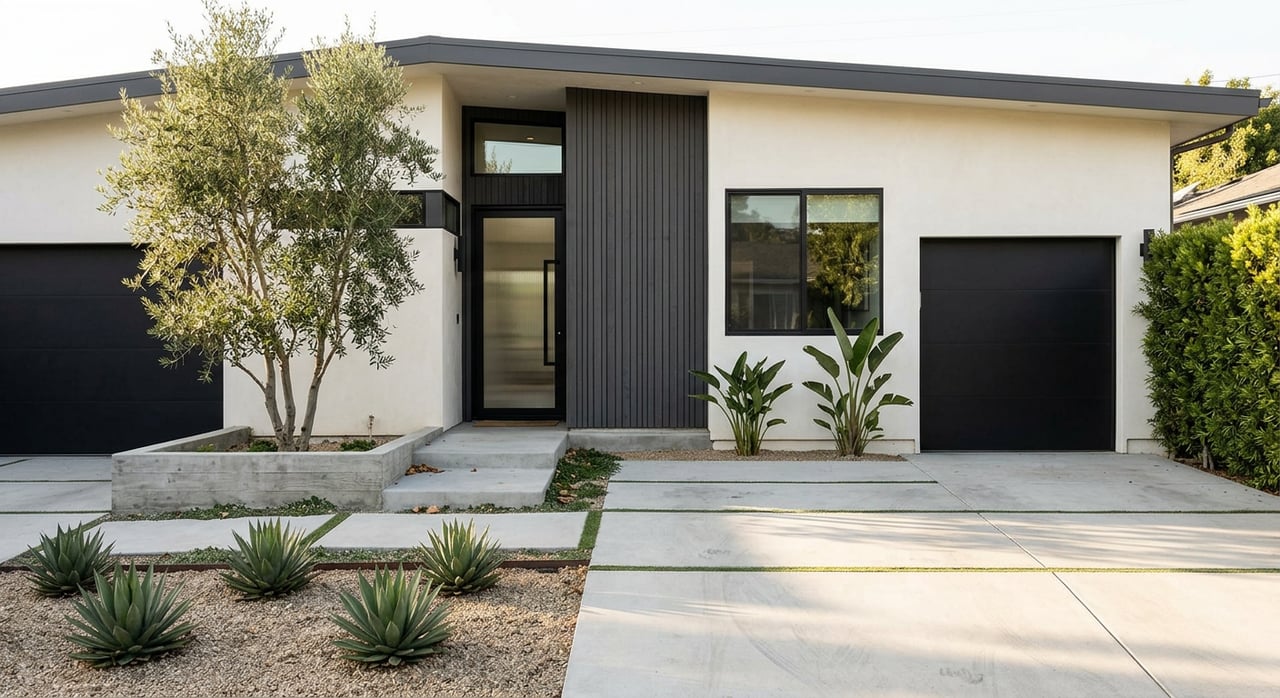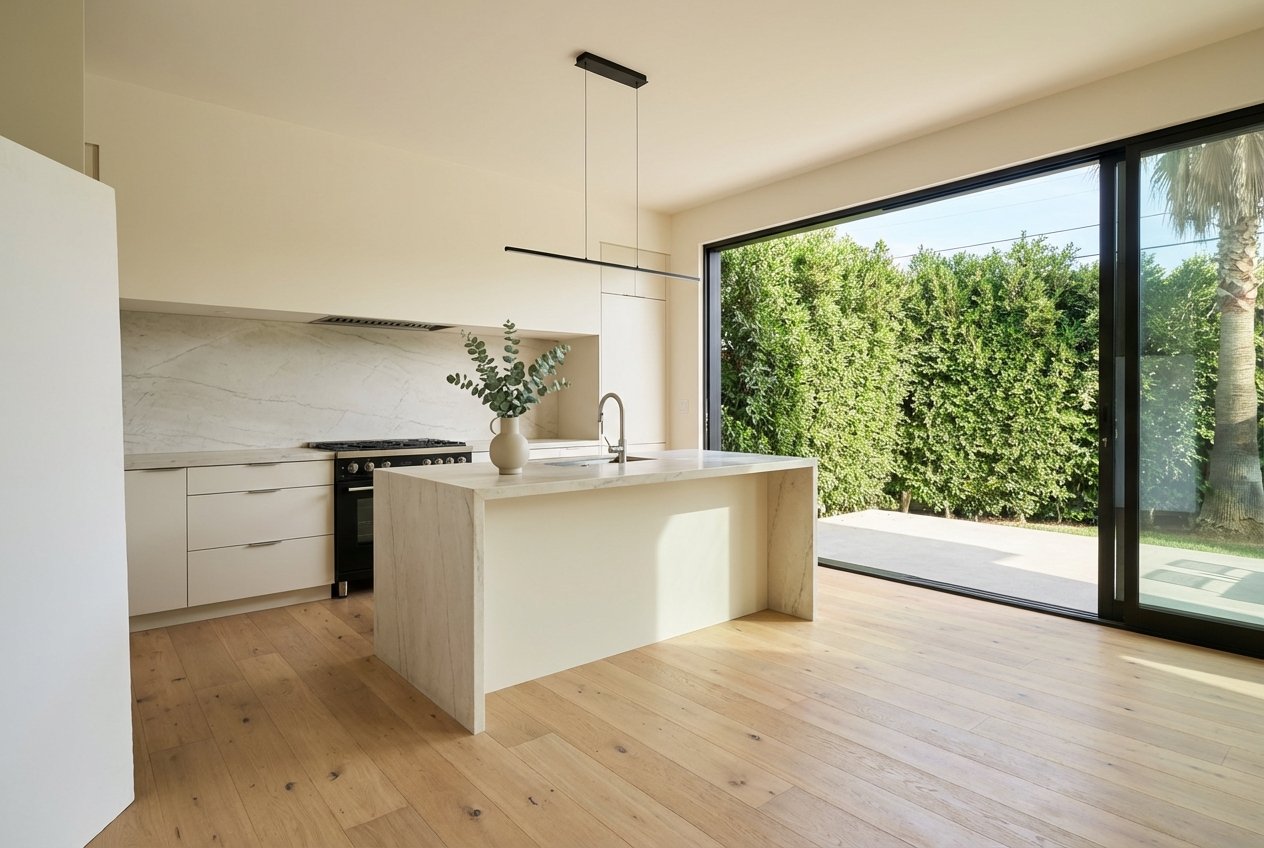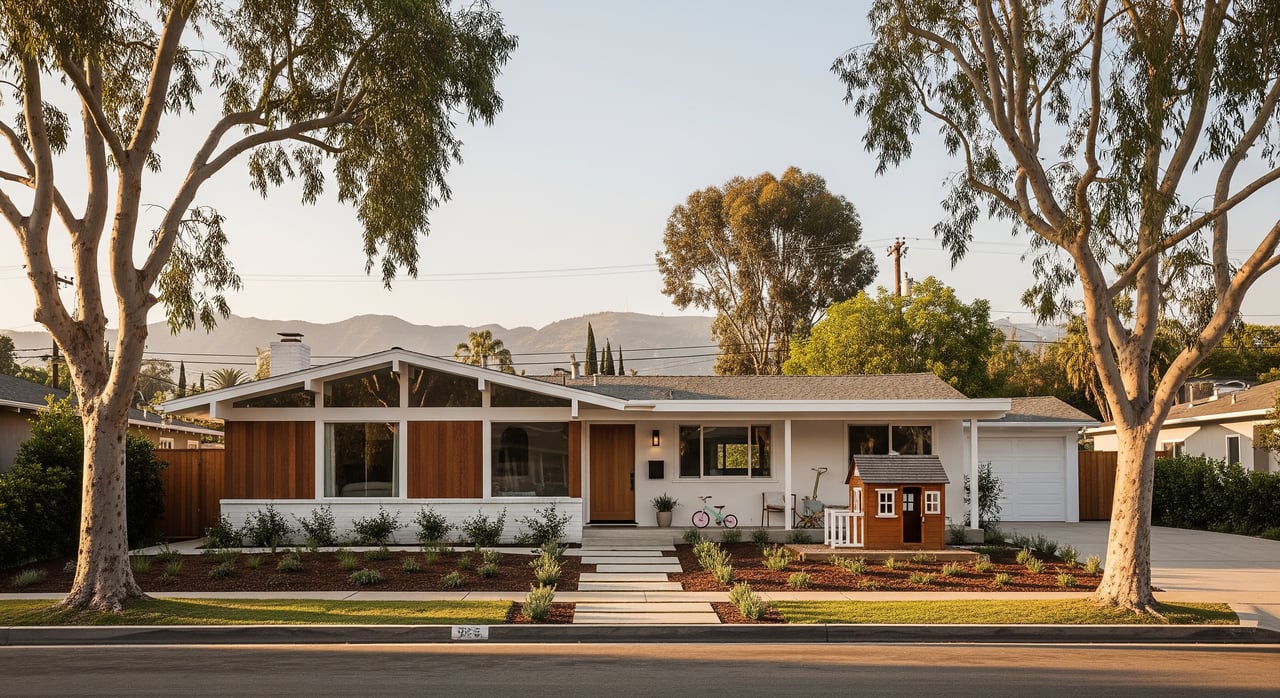
Thinking about trading your current house for more space, a bigger yard, or that extra bedroom you’ve been dreaming of in Encino? You’re not alone. Many Valley homeowners reach a point where a move-up feels right but juggling a sale and a purchase at the same time can feel overwhelming. In this guide, you’ll see how to build a realistic plan, compare financing paths, and use local tactics to align closing dates with less stress. Let’s dive in.
What a move-up plan looks like
A move-up in Encino usually means selling your current home and buying a larger single-family home nearby. That means two transactions to coordinate. Your success comes from timing, a strong financing strategy, and offer terms that work in Encino’s market.
Encino sits within the San Fernando Valley with a mix of classic ranch homes, newer rebuilds, and estate properties. Inventory and buyer competition can shift by price range, so your plan should account for both your home’s sale dynamics and the pace of the homes you want to buy.
Build a realistic timeline
Pre-listing prep
Plan 2 to 6 weeks for repairs, light updates, staging, and photos. A polished presentation can shorten time on market and support stronger terms. Line up contractors early and set a target list date.
Marketing and showings
Active marketing often runs 2 to 8 weeks, depending on pricing and demand. Some segments move faster than others. Keep communication tight with your agent to adjust pricing, showing windows, and offer deadlines.
Escrow and closing
Most California escrows run about 30 to 45 days after acceptance. You can negotiate the length in your contract. If you’re coordinating two escrows, aim to align them, but build in cushions for inspections, appraisal, and loan approval.
Move and occupancy
Plan for temporary overlap or short-term housing in case dates don’t match perfectly. A rent-back can help you stay in your sold home briefly or give the seller of your new home time to move out. Book movers and storage early to avoid rush fees.
Coordinate two transactions
Key milestones to line up
- Get pre-approval for your target purchase price before you tour homes.
- List your current home and define acceptable sale terms in advance.
- Structure purchase contingencies for inspection, appraisal, and financing.
- Set realistic contingency removal dates and deposit schedules.
- Align escrow closing dates where possible to reduce housing gaps.
Make a contingent offer stronger
Sale-contingent offers can work, but they’re less competitive when inventory is tight. If you need a sale contingency, you can improve your position by:
- Shortening contingency periods to what is truly achievable.
- Showing proof your current home is market-ready with photos and pricing.
- Increasing earnest money to signal commitment.
- Offering flexible closing dates or a rent-back to match the seller’s needs.
- Backing up your offer with a bridge or HELOC plan if needed.
If a sale contingency won’t fly
Sellers sometimes prefer fewer hurdles. If your contingent offer isn’t competitive, consider these alternatives:
- Use short-term bridge financing to write a non-contingent offer.
- Open a HELOC on your current home before listing to fund your down payment.
- Carry two mortgages for a brief window if your lender qualifies you.
- Use an escalation clause or other terms that can stand out in multiple offers.
Financing paths to bridge the gap
Sale-proceeds contingency
- What it is: Your purchase depends on closing your current home first.
- Pros: Avoids double payments and extra financing costs.
- Cons: Less competitive in seller-favored markets; stricter timelines.
Bridge loan
- What it is: A short-term loan to help you buy before you sell.
- Pros: Lets you write a non-contingent offer and close fast.
- Cons: Higher rates and fees, and you need equity in your current home.
HELOC or home equity loan
- What it is: Borrow against your existing home to fund a down payment.
- Pros: Often lower rates than bridge loans; flexible access to funds.
- Cons: Adds a second lien and reduces your sale proceeds.
Cash-out refinance
- What it is: Refinance your current mortgage and take cash out for the new purchase.
- Pros: Can provide funds at potentially lower rates than short-term options.
- Cons: Resets loan terms and adds closing costs; may raise your monthly payment.
Carryback or seller financing
- What it is: A seller may finance part of a sale; it’s rare but possible.
- Pros/Cons: Completely negotiable and depends on the parties’ appetite and legal terms.
Using savings or retirement funds
- What it is: Use personal savings or a retirement account loan for your down payment.
- Pros: Simple and fast access to funds.
- Cons: Reduces reserves and may carry tax or penalty implications for retirement accounts.
What lenders consider
- Combined housing costs if you hold two loans at once.
- Loan-to-value across both properties and your credit profile.
- Appraisals for both properties, and timing for underwriting and closing.
- Total costs, including fees and interest from bridge or second-lien products.
Encino factors that affect timing
Market character and price tiers
Encino includes smaller ranch homes that often move quickly and larger estates that can take longer to sell. Pricing, condition, and lot size play a big role in days on market. Match your expectations to the segment you’re targeting.
Nearby neighborhoods
You may also compare Sherman Oaks, Studio City, Tarzana, Reseda, Valley Village, or North Hollywood. Each area varies in price points, commute access, and housing stock. Tarzana can offer larger lots for certain budgets, while Sherman Oaks and Studio City often see prices similar to or higher than Encino for comparable homes.
Seasonality and competition
Spring usually brings more listings and buyers in Los Angeles. In low-inventory periods, multiple offers are common and sale contingencies may be harder to win. Time your list date for stronger demand if you rely on sale proceeds.
Commute, schools, and permits
Access to US-101 and I-405 is a frequent filter for Encino buyers. Encino is served by the Los Angeles Unified School District and has access to private school options; school access often shapes search areas. If you’re considering a major remodel or rebuild after you buy, factor in City of Los Angeles planning and permit timelines.
Negotiation plays that align dates
- Offer flexible closing and short but realistic contingency windows.
- Use rent-backs to smooth occupancy on either side of the deal.
- Provide evidence your current home is truly sale-ready.
- Consider an escalation clause or higher earnest money in competitive situations.
Your Encino move-up checklist
- Get a comparative market analysis and, if helpful, a pre-sale appraisal.
- Secure a strong pre-approval and discuss bridge, HELOC, or refinance options.
- If using a HELOC or cash-out refinance, start early to avoid delays.
- Prepare your home for market with repairs, staging, and professional photos.
- Set your contingency strategy and acceptable timelines before you write offers.
- Coordinate target closing windows across both escrows with your team.
- Plan logistics for temporary housing, storage, movers, and school transfers if needed.
Buy first or sell first?
Buying first can secure the home you want but may require carrying two mortgages for a period. Selling first removes that risk but may leave you with a short-term housing gap. Your choice depends on financing, local market conditions, and comfort with timing.
Next steps
You don’t have to figure this out on your own. With a team-based approach and deep San Fernando Valley expertise, you can map timelines, compare financing paths, and craft an offer strategy that fits Encino’s market. If you’re exploring a move-up, connect with The Payab Group for a focused plan and white-glove support from list to close.
FAQs
Can I win with a sale-contingent offer in Encino?
- It depends on current inventory and competition; in tighter markets, shorten contingency windows and show strong proof that your home is market-ready.
How fast do Encino homes sell when I need proceeds?
- Days on market vary by price segment, condition, and demand; smaller homes can move faster than larger estates, so plan your timing to match your segment.
What equity do I need for a bridge loan or HELOC?
- Lenders look for meaningful equity and will assess loan-to-value across both properties and your overall credit and reserves.
How long is escrow in California when I’m coordinating two deals?
- Many escrows close in about 30 to 45 days after acceptance, but you can negotiate timelines to align both transactions.
Should I consider a rent-back to manage the move?
- Yes, a rent-back can help you stay in your sold home briefly or give the seller of your new home time to move, which can reduce moving stress and storage costs.