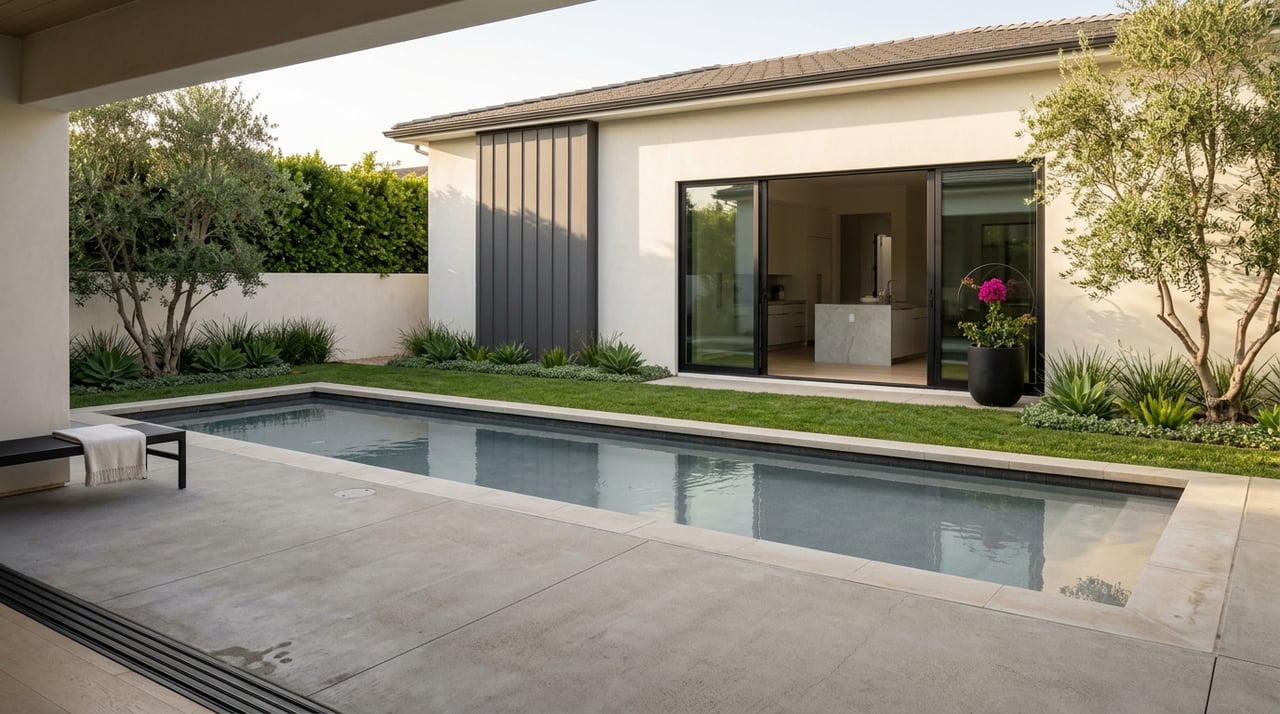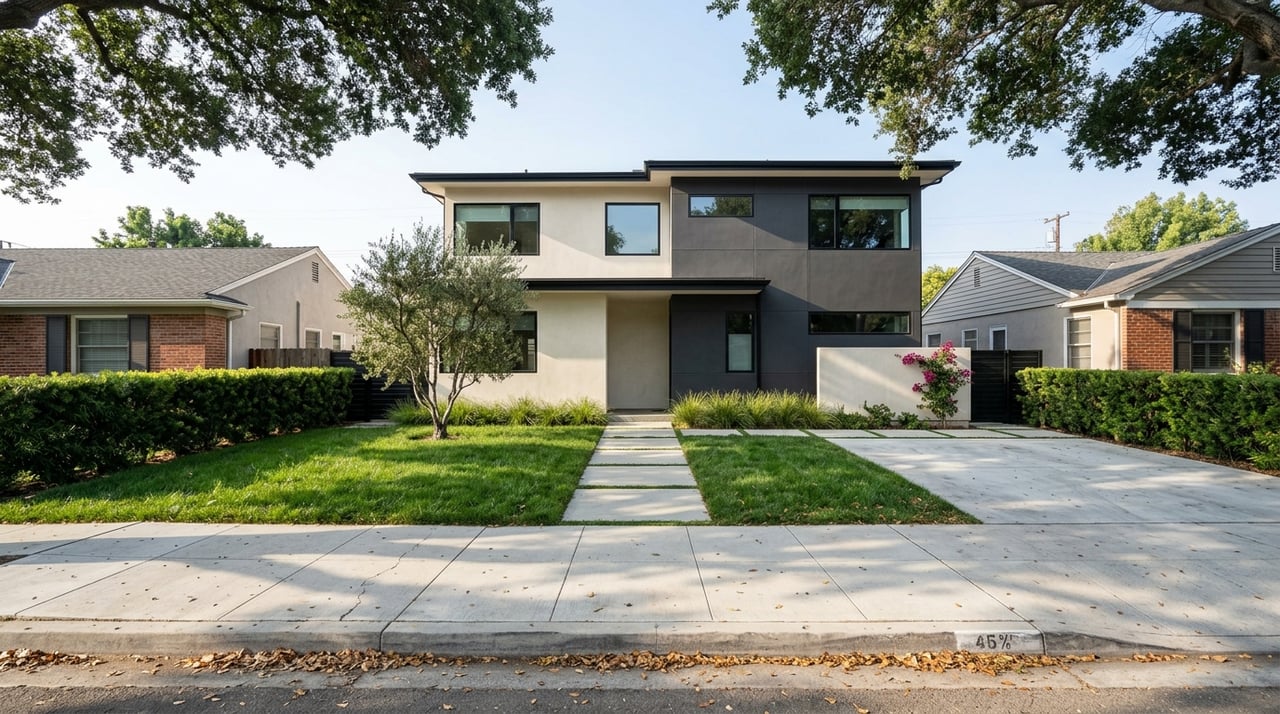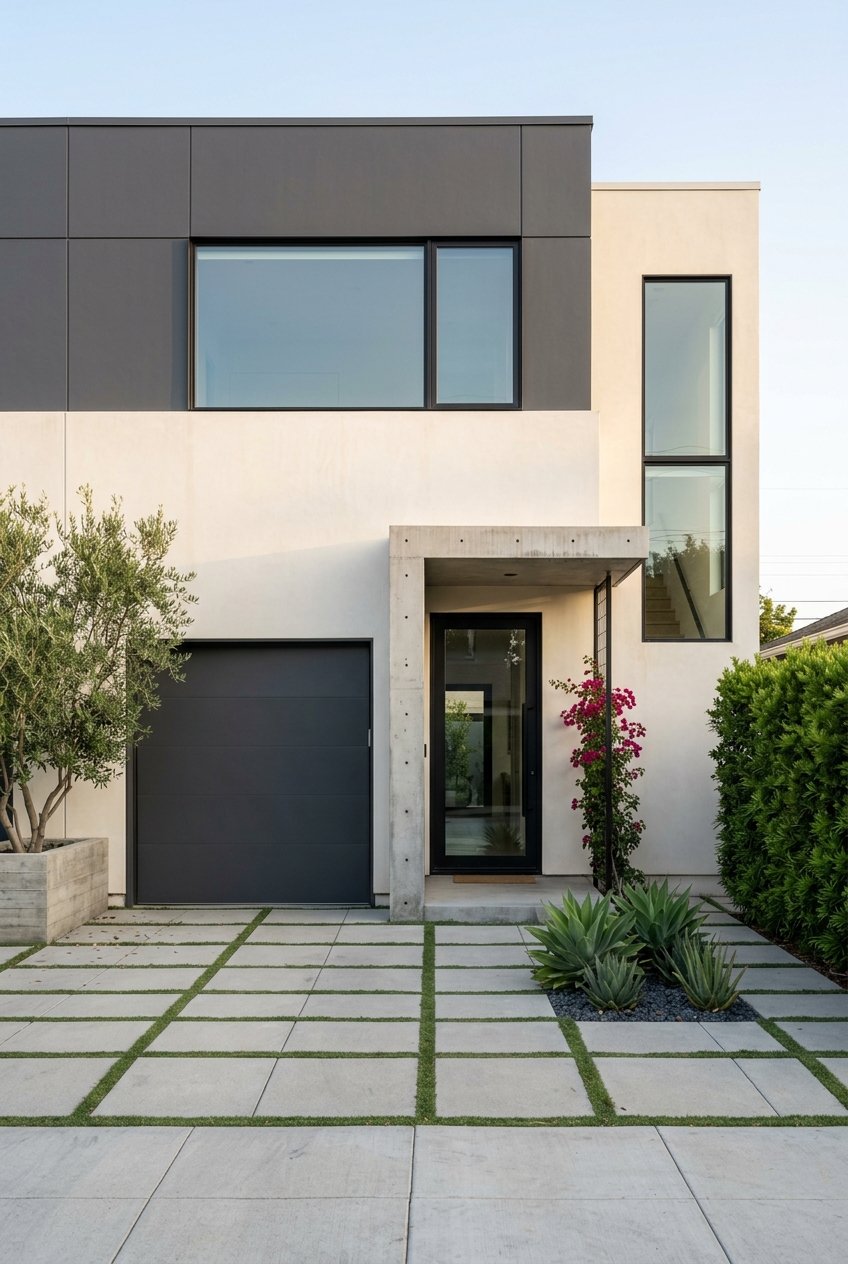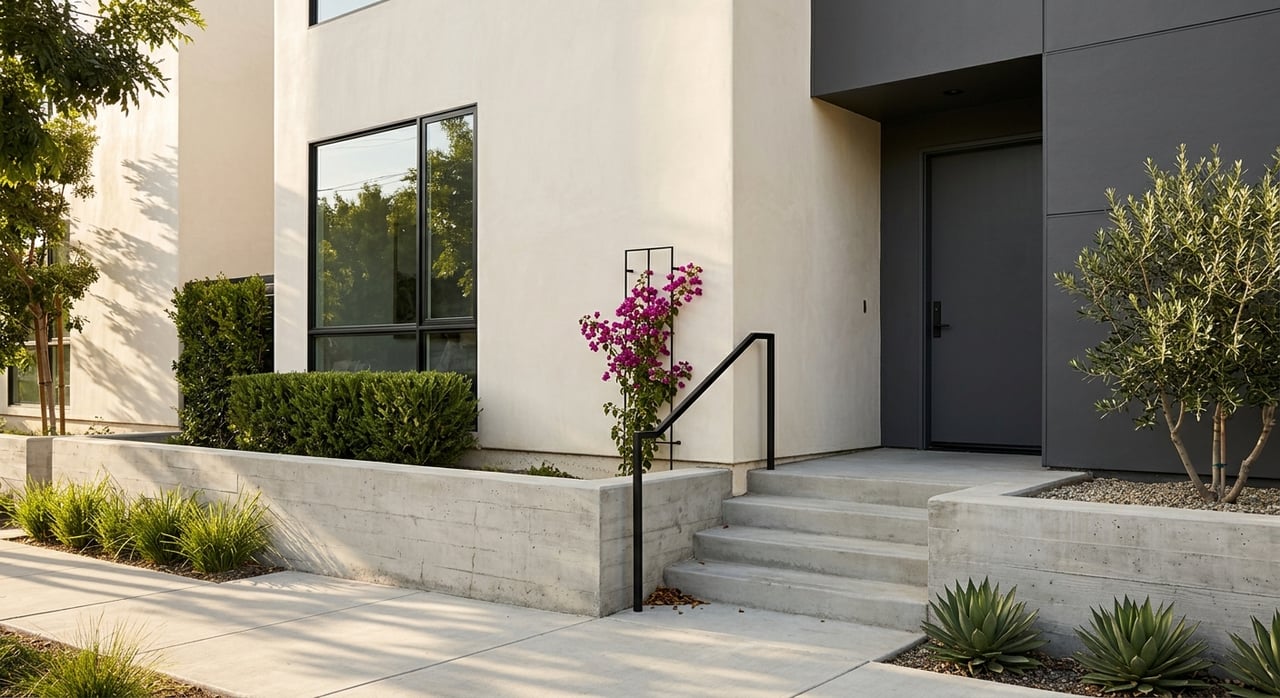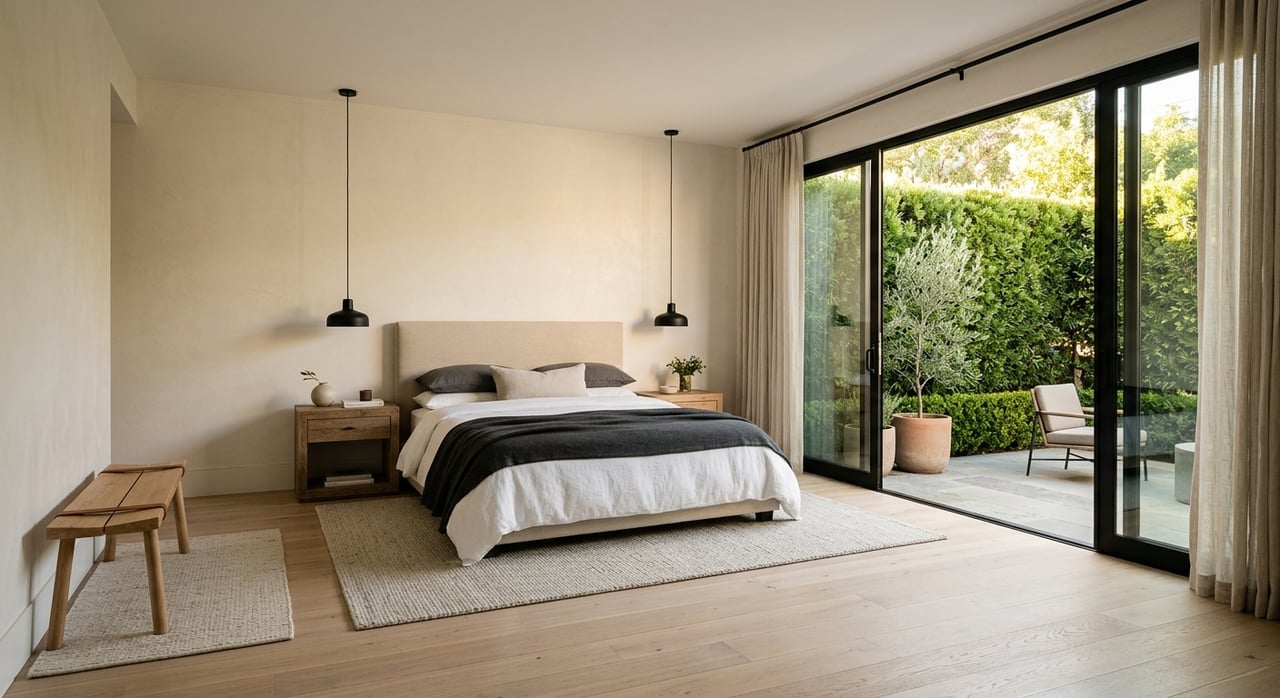
Thinking about a bigger home but not ready to give up your Granada Hills routine? That is a common move-up challenge for homeowners who love their streets, commute patterns, favorite spots, and day-to-day familiarity. The good news is that upsizing within Granada Hills can be realistic if you plan carefully around equity, timing, financing, and address-specific details. Let’s dive in.
Why stay in Granada Hills
For many homeowners, upsizing is not just about square footage. It is about getting more bedrooms, a larger lot, or extra flex space without starting over in a completely different area.
Granada Hills gives you a solid reason to consider a stay-local move. According to Redfin’s Granada Hills housing market data, the median sale price was $995,000 in February 2026, homes sold in about 43 days, and 43.3% of sales closed above list price. That mix suggests a market where preparation still matters, even if pricing has softened year over year.
The bigger takeaway is that larger homes do exist in the neighborhood. Recent sales cited by Redfin include homes with 4, 5, 6, and even 7 bedrooms, with sizes ranging from roughly 2,400 square feet to more than 9,000 square feet. If your goal is more room without leaving the neighborhood, that kind of inventory makes the strategy plausible.
Start with usable equity
Before you look at larger homes, you need a clear picture of what you can actually use from your current home. The Federal Housing Finance Agency defines home equity as the difference between your home’s current market value and the balance of liens against it.
In simple terms, estimate your current value and subtract what you still owe. That gives you a starting point, but not your full buying budget. You also need to account for the costs of making the move.
What your equity needs to cover
According to Fannie Mae’s homeownership cost guidance, buyers should budget for:
- A down payment
- Closing costs of about 2% to 5% of the purchase price
- Moving costs
- A reserve fund of about three to six months of essential expenses
If you are upsizing in Granada Hills, you may also need to cover a temporary overlap between homes. That is why the question is not just, “How much equity do I have?” It is really, “How much equity do I have after the costs of moving up?”
Decide whether to sell first or buy first
This is often the biggest strategic choice in a move-up plan. If staying close to your current routine matters, buying first can feel more comfortable because it may reduce the need for a rushed move.
But buying first is not automatically safer. You need to know whether your household can handle two housing payments for a period of time, plus all the related costs.
When buying first may work
If you find the right larger home and want to avoid temporary housing or multiple moves, buying first may be worth exploring. Fannie Mae’s bridge and swing loan guidance says these loans can be an acceptable source of funds, but the lender must document your ability to carry:
- The new home
- Your current home
- The bridge loan
- Your other financial obligations
Fannie Mae also notes that bridge loans cannot be cross-collateralized against the new property and does not set a fixed bridge-loan term. That means structure and approval details matter, and early lender conversations are essential.
When selling first may be smarter
If carrying two homes would stretch your budget, selling first is usually the lower-risk path. It may give you a firmer understanding of your proceeds and help you shop with more confidence.
In a market where Granada Hills homes are averaging about 43 days to sell, that timeline can help shape your planning. It does not guarantee your experience, but it does give you a reasonable framework for thinking through timing.
Check your financing range early
Bigger homes often mean bigger loan amounts. For 2026, the FHFA loan limit list shows that the Los Angeles County one-unit conforming loan limit is $1,249,125.
That matters because some move-up homes in Granada Hills may still fit within conforming financing, while others may push you into jumbo territory. If you are shopping at the upper end of the neighborhood, knowing where that line sits can help you narrow your payment range and avoid surprises later.
A strong lender conversation should cover your likely down payment, target monthly payment, reserve expectations, and whether a buy-first scenario is realistic. That kind of prep helps you move quickly when the right home appears.
Do not overlook property taxes
One of the most common move-up mistakes is focusing only on the mortgage payment. In California, property taxes can change significantly when you buy your next home.
The California State Board of Equalization explains that a change in ownership generally triggers reassessment to current fair market value. For most purchases, the entire property is reassessed.
What Prop 19 may change
There are limited exceptions. The BOE’s Prop 19 guidance says certain homeowners age 55 or older, severely disabled homeowners, and victims of wildfire or natural disasters may be able to transfer a base-year value to a replacement primary residence, generally if the replacement is purchased within three years of the qualifying sale or completion date.
If you are considering a buy-first approach, the overlap matters here too. The BOE notes that during the overlap period, the replacement home is taxed at full fair market value until the original home is sold. For many upsizers, that is a meaningful cash-flow detail.
Verify school assignment by address
If your goal is to stay close to the same routines, address verification should happen before you write an offer. Do not assume the next tract, nearby street, or larger home automatically connects to the same school assignment.
LAUSD says its Resident School Identifier is the official address-based tool for finding resident school assignments. The district also notes that most schools use attendance boundaries, while magnets, schools for advanced studies, charters, permits, and other choice programs follow different enrollment models.
Local schools to confirm individually
Granada Hills-area schools families may want to check by address include:
- Granada Elementary
- Patrick Henry Middle School at 17340 San Jose St
- Tulsa School for Advanced Studies at 10900 Hayvenhurst Ave
- Van Gogh Charter at 17160 Van Gogh St
- Granada Hills Charter, including its high school campus on Zelzah Ave
Granada Hills Charter is an independent public charter serving TK-12 across two campuses, so it should be treated as an application-based option rather than a simple address-based assignment. If continuity matters to your household, verify every address before you get too far into the process.
Consider nearby flexibility
Some homeowners begin with a strict Granada Hills-only search, then realize they may need a little more flexibility to find the right layout, lot size, or timing. That does not necessarily mean leaving the broader area behind.
Redfin’s neighborhood comparison data suggests nearby areas such as Northridge and Porter Ranch are also competitive, with slower pending times than Granada Hills. If your priority is more search options while staying generally close to your current routines, that may be worth discussing as part of your move-up strategy.
A simple upsizing plan
If you want to move up without unnecessary stress, follow a practical sequence.
1. Estimate your current equity
Start with your likely market value and subtract your mortgage balance and any other liens. That gives you the baseline for your next move.
2. Build a real move-up budget
Include your target down payment, 2% to 5% in closing costs, moving costs, reserves, and any overlap between properties. This is where many homeowners discover their true comfort range.
3. Talk to a lender early
Find out whether conforming financing works for your target price point or whether you may need jumbo financing. If buying first is important, ask specifically about bridge-loan options and qualification requirements.
4. Decide on your timing strategy
Choose between selling first or buying first based on your finances, stress tolerance, and need for continuity. There is no universal answer, only the right fit for your household.
5. Verify each address carefully
Use LAUSD’s resident school tool and confirm any program-specific enrollment details. Small location shifts can change the answer.
6. Stay open, but focused
If Granada Hills is your top choice, begin there. If inventory, timing, or price becomes a challenge, consider nearby areas that still support your lifestyle goals.
Upsizing in Granada Hills can absolutely be a stay-local move, but it works best when you treat it like a coordinated financial and lifestyle decision. With the right prep, you can pursue more space while keeping the routines and familiarity that already work for you.
If you are weighing a move-up sale and want clear guidance on timing, pricing, and what your next step could look like, The Payab Group can help you build a smart, white-glove plan tailored to your goals.
FAQs
How much equity do you need to upsize in Granada Hills?
- You generally need enough equity to cover your next down payment, estimated closing costs of 2% to 5%, moving expenses, reserves, and any temporary overlap between homes.
Should you sell first or buy first when upsizing in Granada Hills?
- Selling first is usually less risky if carrying two homes would strain your budget, while buying first may work if you can qualify to carry both properties or use bridge financing.
Will your property taxes stay the same when you buy a larger Granada Hills home?
- Usually not, because a change in ownership in California generally triggers reassessment to current fair market value, with limited exceptions under Prop 19.
How do you verify school assignment for a new Granada Hills address?
- Use LAUSD’s official Resident School Identifier and confirm the exact address before making an offer, especially since some programs and charter schools follow different enrollment models.
Can you find larger homes without leaving Granada Hills?
- Yes, recent Granada Hills sales reported by Redfin include larger move-up homes with 4 to 7 bedrooms, which suggests staying in the neighborhood can be a realistic option for some buyers.