If you are trying to picture Valley Village beyond a map pin, the best way to think about it is this: it feels calm, connected, and very livable. You may be looking for a neighborhood with a residential rhythm, easier access to daily essentials, or a spot that keeps you close to work hubs without feeling overly busy at home. In this guide, you will get a grounded look at what everyday life in Valley Village actually feels like, from streets and parks to errands and commuting. Let’s dive in.
Valley Village at a Glance
Valley Village is a compact Los Angeles neighborhood of about 22,000 residents. The Neighborhood Council Valley Village describes its boundaries as Burbank Boulevard to the north, the Tujunga Wash to the west, the Ventura Freeway to the south, and the Hollywood Freeway to the east.
That smaller footprint shapes daily life in a practical way. You can get familiar with the area quickly, and the neighborhood tends to feel more cohesive than places where residential and commercial uses are spread out across a larger map.
Residential Streets Set the Tone
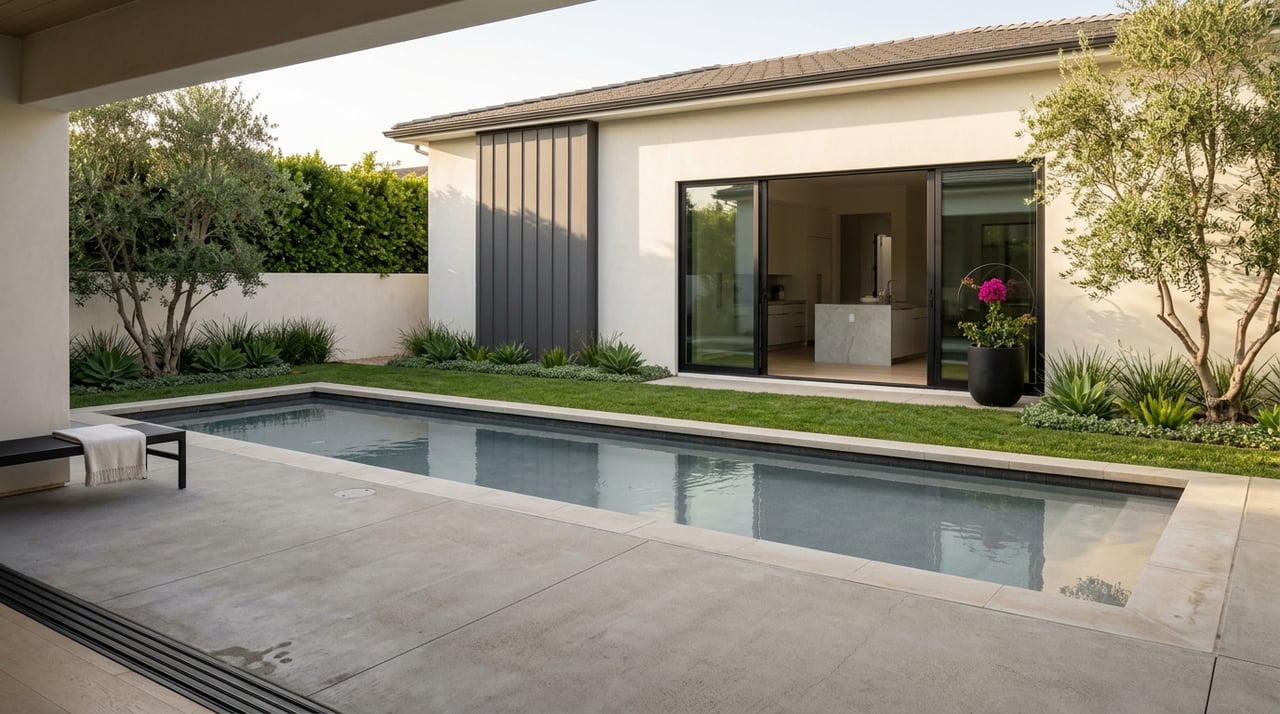
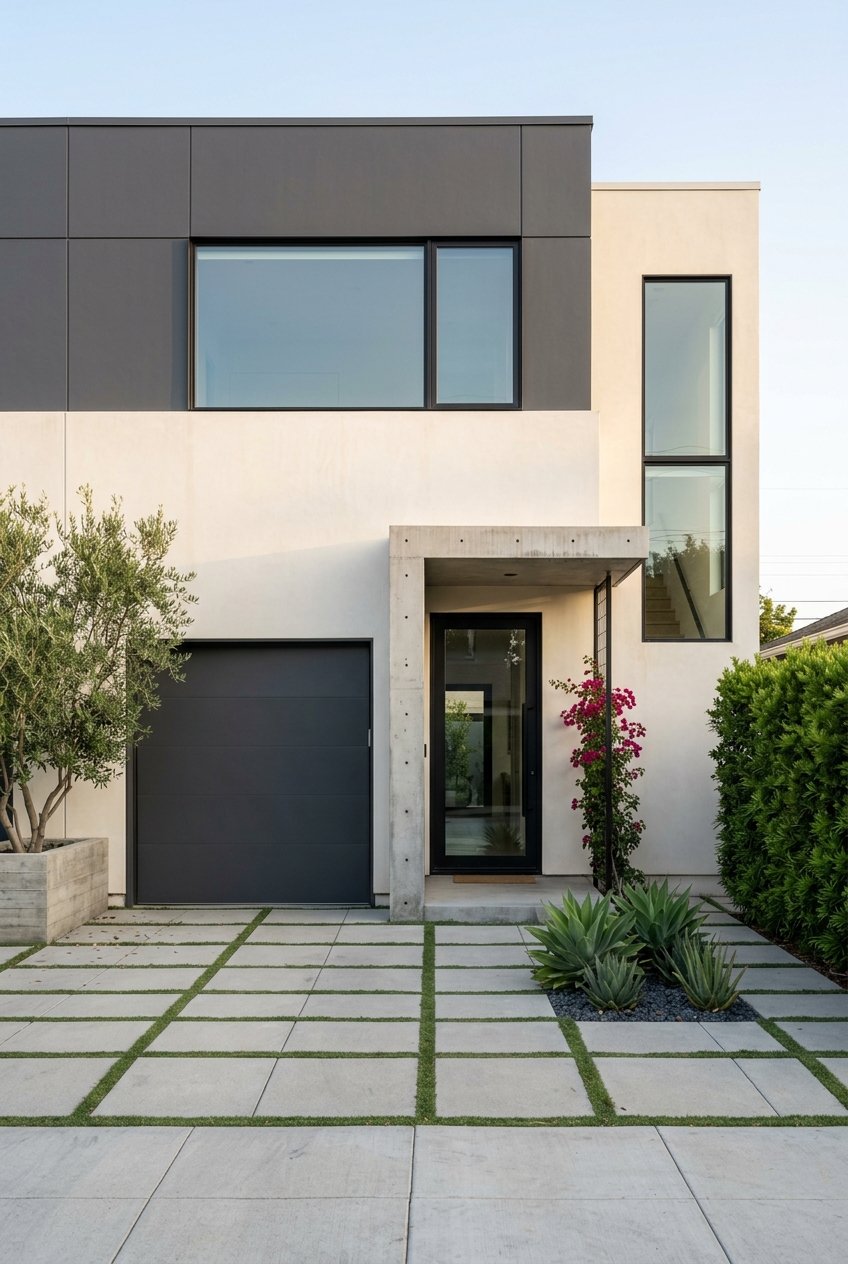
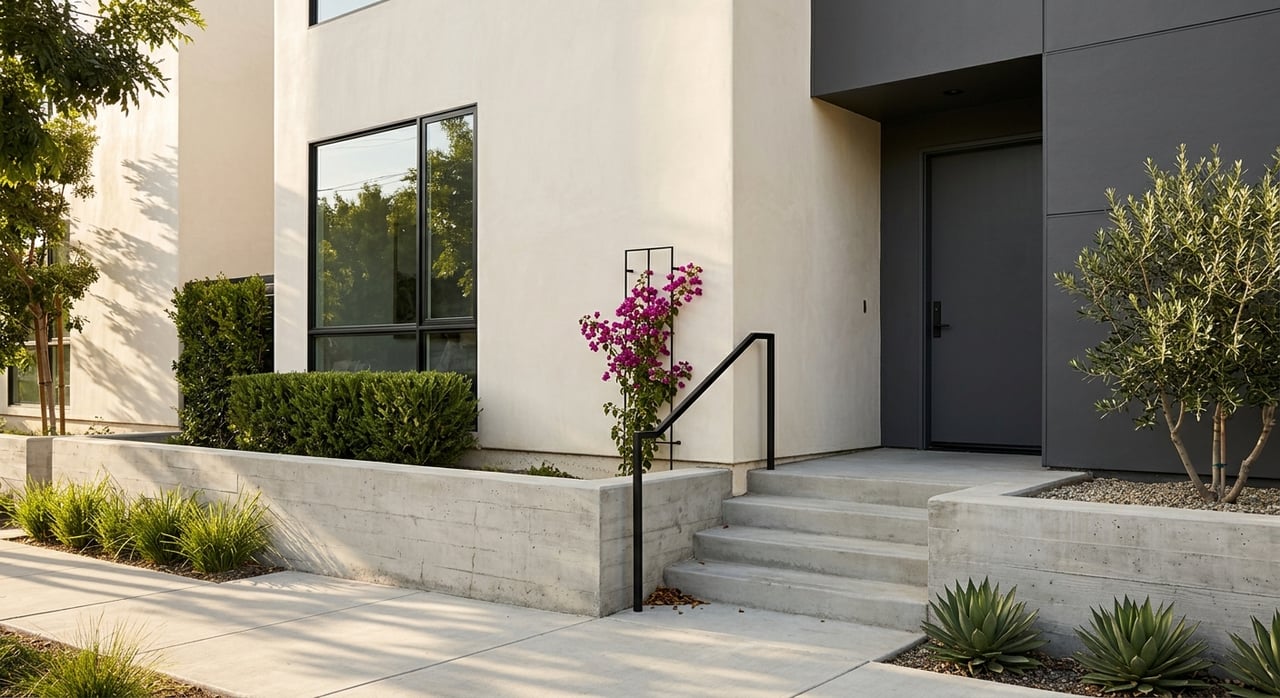
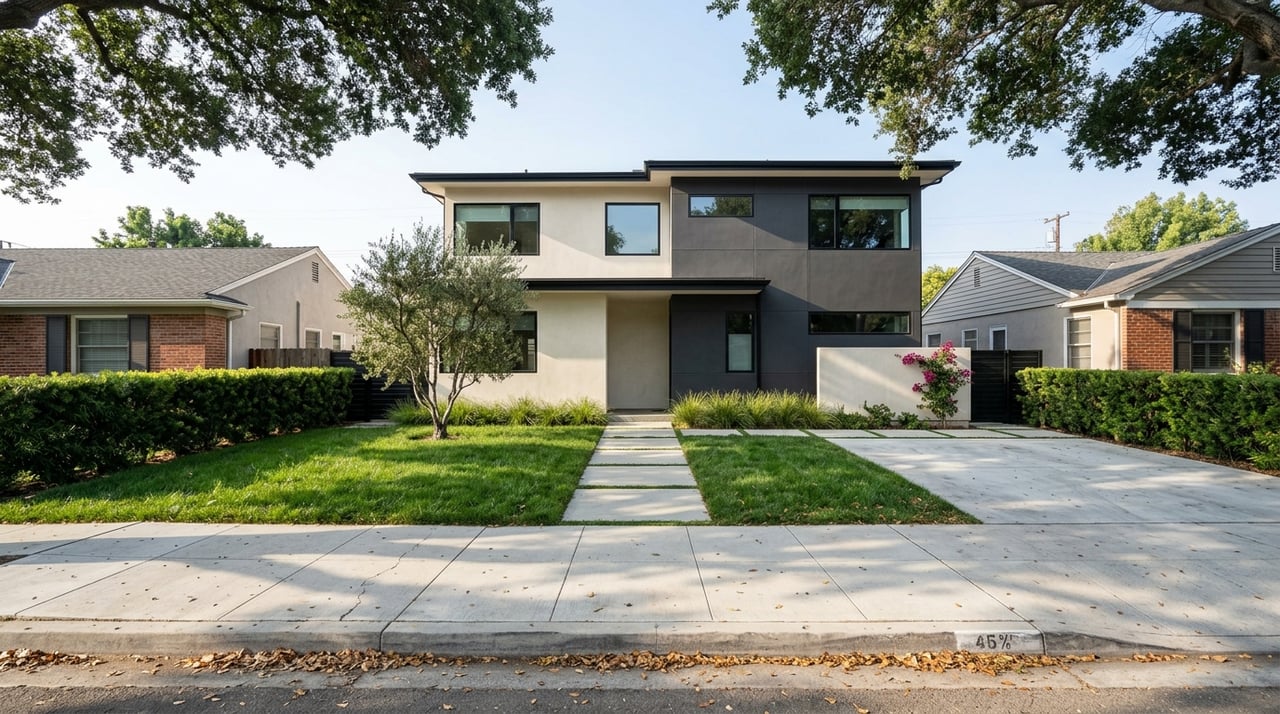
A big part of Valley Village’s identity is its residential interior. The City of Los Angeles Valley Village Specific Plan describes the area as predominantly single-family and was created to preserve a stable residential character while managing development near commercial edges.
In real life, that often means your day starts and ends on quieter neighborhood streets, even if your errands happen on nearby major corridors. There is a noticeable contrast between the interior blocks and the busier boulevards around them, which gives the neighborhood a balanced feel.
Tree Canopy Shapes the Experience
One reason Valley Village often feels visually softer than a typical city neighborhood is its street tree coverage. StreetsLA’s urban forest summary counted 4,818 street trees in Valley Village, with a 68.3% stocking rate, and broadleaf trees making up the largest share of the inventory.
That matters more than you might think. Trees change how a neighborhood feels when you walk the dog, park your car, or head out for an evening stroll. In Valley Village, that urban forest helps create the shaded, green character many people notice right away.
Parks and Outdoor Time
If you like having easy outdoor options close to home, Valley Village offers a few useful choices. Valley Village Park at 5000 Westpark Drive includes a children’s play area, picnic tables, restrooms, and walking paths, with hours from dawn to dusk.
For a broader mix of recreation, nearby North Hollywood Recreation Center adds more variety. The city lists an off-leash dog park, sports and fitness programs, a seasonal pool, a jogging path, plus community classes and events.
This setup makes day-to-day outdoor life feel flexible. You have a smaller neighborhood park for quick visits and a larger nearby recreation center when you want more programming or space.
Walking and Biking Connections
Valley Village is not just about driving from one place to another. The broader community plan highlights the Chandler Boulevard Bike Path and the Tujunga Greenbelt as useful walking and biking connections in the area.
For you, that can make everyday movement feel more varied. Whether you are fitting in a bike ride, taking a walk, or simply looking for an alternative to a short car trip, those nearby routes help the neighborhood feel more connected to open space and surrounding districts.
Errands Happen Along the Corridors
Valley Village does not revolve around one classic main street or central plaza. Instead, the draft community plan describes the area’s commercial corridors as focal points for shopping, dining, civic, social, and recreational activity, naming routes such as Laurel Canyon, Magnolia, Chandler, and Burbank.
That corridor-based pattern shapes how your week tends to flow. Coffee, takeout, grocery runs, and day-to-day services are generally found along nearby boulevards rather than concentrated in one single destination.
For many buyers, that is a plus. You get a neighborhood that feels residential where people live, while still keeping practical conveniences close by.
Nearby Options Expand Your Routine
Another part of everyday life in Valley Village is how easily your routine can extend into nearby districts. The broader plan area includes the North Hollywood Arts District as well as mixed-use nodes like NoHo West and Valley-Laurel Plaza, which broaden the choices for restaurants, services, and weekend outings.
That means life here can feel as quiet or as active as you want it to be. You can keep things local and low-key during the week, then branch out for dining, errands, or entertainment without needing a major trek across the city.
Community Life Feels Local
Valley Village also has a clear sense of civic identity. The Neighborhood Council Valley Village maintains a public calendar of board meetings and community events, which supports the idea that the area has an organized local community presence.
For you, that can translate into a neighborhood that feels more rooted and engaged. Even in a large city like Los Angeles, places with active local organization often feel easier to understand and more connected on a day-to-day level.
Commuting Is Part of the Appeal
For many people, one of Valley Village’s biggest lifestyle strengths is access. The draft community plan says the area is served by the Metro B Line, the Metro G Line, a rapid bus line, a LADOT DASH route, a Burbank bus connector to Hollywood-Burbank Airport, multiple local bus lines, and the Chandler Boulevard Bike Path.
The neighborhood is also closely shaped by major road access, especially the 101 and 170 corridors. If your schedule involves commuting to work, meetings, studios, or nearby commercial centers, that transportation network can make Valley Village feel practical in a way that goes beyond curb appeal.
Why commutes feel manageable
Valley Village is primarily residential, but it sits near a wider network of job centers and destinations. The community plan notes that the broader North Hollywood and Valley Village area grew alongside the entertainment and aviation industries, with studio migration into the Valley influencing workforce housing patterns.
So while home life may feel calm and neighborhood-focused, weekdays often connect outward. That blend is a big part of the appeal: you can live in a quieter setting while staying linked to busier parts of the east Valley and nearby employment hubs.
What a Typical Day Can Feel Like
If you are wondering how all of this comes together, picture a day that starts on a shaded residential street, includes a quick run to a nearby commercial corridor, and leaves room for a park visit, dog walk, or bike ride before dinner. The neighborhood does not try to be everything in one place.
Instead, Valley Village works because it is consistent. It offers a residential feel, everyday convenience, useful outdoor options, and solid regional connections without losing its smaller neighborhood identity.
Who Valley Village Often Appeals To
Valley Village can make sense for a range of buyers and renters because of how balanced it feels. If you want a neighborhood that is primarily residential but still plugged into the larger Los Angeles street and transit network, it checks a lot of boxes.
It may especially appeal to people who value:
- Tree-lined streets and a greener day-to-day setting
- Quick access to neighborhood parks and recreation
- Errands and dining along nearby boulevards
- Transportation options that include driving, transit, bus service, and biking
- A location that feels close to North Hollywood, Burbank, and other east Valley destinations
The Bottom Line on Everyday Life
Everyday life in Valley Village is best described as residential, tree-filled, and practical. You get quieter interior streets, recreation close to home, errands clustered along major corridors, and access to a wider network of work and lifestyle destinations across the Valley.
If that combination sounds like the kind of lifestyle you want, Valley Village is worth a closer look. And if you want help comparing Valley Village with other San Fernando Valley neighborhoods, The Payab Group can guide you with the kind of local insight and white-glove support that makes your move feel a lot more manageable.
FAQs
What does everyday life in Valley Village feel like?
- Everyday life in Valley Village generally feels residential, shaded, and convenience-oriented, with quieter interior streets and errands clustered along nearby boulevards.
What parks are available in Valley Village?
- Valley Village Park offers a children’s play area, picnic tables, restrooms, and walking paths, and nearby North Hollywood Recreation Center adds a dog park, sports programs, a seasonal pool, and more.
How do people get around in Valley Village?
- Valley Village has access to the Metro B Line, Metro G Line, local and rapid bus service, a LADOT DASH route, a Burbank airport connector, major freeways, and the Chandler Boulevard Bike Path.
Where do errands and dining happen near Valley Village?
- Daily shopping, dining, and services are generally concentrated along corridors such as Laurel Canyon, Magnolia, Chandler, and Burbank rather than in one central town square.
Is Valley Village connected to nearby Los Angeles destinations?
- Yes. Valley Village is closely linked to nearby areas including North Hollywood and other east Valley destinations through transit routes, major arterials, and freeway access.