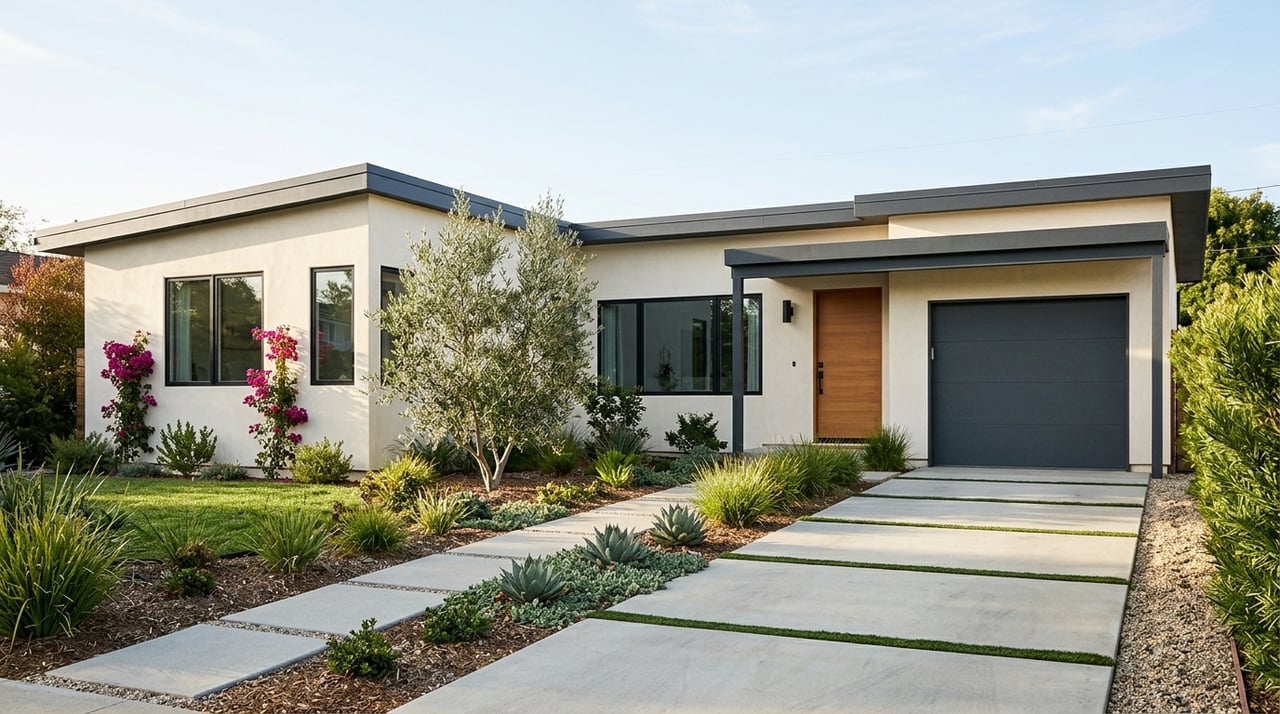
If you are searching for a first home in the San Fernando Valley, Reseda may already be on your list. The big question is whether it is truly the Valley’s best starter home market, or simply one of the better-balanced options. When you look at pricing, housing stock, and daily convenience, the answer becomes clearer. Let’s dive in.
Reseda offers value, not bargain-basement pricing
Reseda stands out because it is more affordable than many nearby and citywide comparisons, but it is not a low-cost outlier. Realtor.com’s Reseda neighborhood data showed a median home sale price of $749,950 in December 2025, while Realtor.com’s 91335 market page placed the median home price around $790,000 in March 2026. That puts Reseda firmly in the high-$700,000 range.
That price point matters because it is still a major investment, especially for first-time buyers. At the same time, it compares favorably with the broader market. According to Redfin’s Los Angeles housing market data, the City of Los Angeles median sale price was $1,010,000 in February 2026, which means Reseda’s neighborhood median was about 25.7% lower.
Why starter buyers keep looking at Reseda
For many buyers, a starter market is not just about finding the cheapest possible home. It is about finding a place where the numbers feel more manageable without giving up too much on location, convenience, or long-term usability. That is where Reseda makes a strong case.
It sits in a middle ground that can be appealing if you want to enter the market in Los Angeles without stretching to the price levels seen in some better-known Valley neighborhoods. You are still buying into an established part of the Valley, but often at a lower price than nearby alternatives.
Reseda compares well with nearby Valley areas
When you compare Reseda with surrounding neighborhoods, its value story gets stronger. On Realtor.com’s 91335 comparison data, Reseda is listed around $779,500, compared with $866,500 in Winnetka, $936,000 in Lake Balboa, and $1,150,000 in Northridge.
Using those figures, Reseda is about 10% less expensive than Winnetka, 16.7% less than Lake Balboa, and 32.2% less than Northridge. It also sits far below upper-Valley price points like Tarzana at $1,344,500 and Encino at $1,999,999. If you want a Valley location with a more approachable entry point, those gaps are hard to ignore.
But Reseda is not the Valley’s cheapest option
If your goal is the absolute lowest entry price, Reseda is not the winner. Realtor.com’s 91303 overview shows Canoga Park with a median home price of $517,450, and the Canoga Park neighborhood page cited there shows a median home price of $494,500.
That means Reseda is better described as a value market than a bargain market. In plain terms, you may pay more than you would in a lower-priced pocket, but you may also find a balance of inventory, location, and accessibility that feels worth the premium.
Housing stock supports the starter-home conversation
Price is only part of the story. The kind of homes available in a neighborhood also shapes whether it works well for first-time buyers.
According to the LA City Planning Reseda-West Van Nuys demographic profile, the housing stock is split between 53.9% single housing units and 44.9% multiple housing units. The same report notes that 38.3% of structures were built in the 1950s.
That mix suggests you are more likely to encounter older detached homes, condos, and lower-density multifamily options rather than a large pipeline of new construction. For starter buyers, that can be important. It often means more variety in layout, lot size, and price point, even if some properties may need updates or a closer look at maintenance.
Older housing can create opportunity
Older housing stock is not automatically a downside. In many cases, it is part of why an area remains more attainable than newer or more heavily redeveloped neighborhoods.
If you are open to homes with original features, modest updates, or room for future improvements, Reseda may offer options that feel more realistic than nearby areas with higher median prices. This is often where local guidance matters most, because two homes at similar list prices can have very different upkeep needs and long-term value.
Market pace looks relatively balanced
Starter buyers often worry about jumping into a market that feels impossible to compete in. Reseda appears more balanced than many buyers might expect.
Realtor.com’s 91335 page describes the market as balanced, with 127 homes for sale, about 42 days on market, and homes selling for approximately asking price on average. The Reseda neighborhood page also noted 96 homes for sale and a median of 63 days on market in December 2025.
A balanced market can be helpful if you are a first-time buyer trying to make careful decisions. It does not guarantee easy negotiations, but it may mean you have a bit more room to compare options and avoid the kind of extreme pressure that can lead to rushed choices.
Rent levels also affect the buy decision
If you are currently renting, local rent prices may shape how you think about timing. Reseda is not inexpensive on the rental side, but it is also not at the top of the Valley range.
The Reseda neighborhood page shows median rent at $2,825, while the 91335 market page shows $2,895. That is below Winnetka at $3,300, Lake Balboa at $3,150, and Northridge at $3,074, though still above Canoga Park at $2,340.
For some renters, that creates a familiar middle-ground story. Reseda is not the cheapest place to rent or buy, but it can compare well against nearby neighborhoods if you are trying to balance monthly cost with location.
Commute access adds to Reseda’s appeal
A starter home purchase is about more than the house itself. Your day-to-day routine matters, and transportation access is part of the value equation.
Reseda benefits from the Metro G Line, including a station with 486 free parking spaces, according to Metro’s parking information. For buyers who drive most days but want transit as a backup or occasional alternative, park-and-ride access can be a meaningful advantage.
There is also a longer-term upside. Metro says the G Line Improvements project is under construction and slated for completion in 2027, with upgrades including grade separations, signal priority, and a new aerial Van Nuys station designed to improve speed and reliability.
Bus service improvements matter too
Transit convenience is not just about one line. Metro also increased late-evening weekday and weekend service on Line 240, the Reseda/Ventura route, to every 20 minutes, according to Metro’s service update.
If you want flexibility in how you get around the Valley and beyond, that kind of service improvement adds practical value. Even if you plan to commute by car, better transit can still support your routine and widen your options.
Public improvements strengthen the neighborhood case
Visible infrastructure investment can shape how a neighborhood functions over time. In Reseda, that story includes recent street and public-realm upgrades.
According to Council District 3’s transportation infrastructure update, Sherman Way received streetscape and safety improvements in downtown Reseda. The update also says the Reseda Boulevard project was completed in Spring 2024 and included resurfacing, sidewalk repairs, bus boarding islands, protected bike lanes, upgraded crosswalks, and stormwater capture.
For buyers, these details matter because they point to ongoing attention to mobility and street conditions. They do not guarantee appreciation or fit for every household, but they do support the idea that Reseda offers more than just a lower price tag.
So, is Reseda the Valley’s best starter home market?
The most accurate answer is maybe, depending on what “best” means to you. If you define best as the cheapest place to buy, Reseda does not take that title. Canoga Park is clearly lower based on the price data in the research.
If you define best as a strong balance of relative affordability, established housing stock, practical commute options, and prices below many nearby Valley neighborhoods, Reseda becomes a very compelling contender. It is not an ultra-budget market, but it does offer a middle-ground path into homeownership that many buyers find attractive.
That balance is often what puts Reseda on a first-home shortlist. You are looking at a neighborhood that is meaningfully below the broader Los Angeles median, supported by mixed housing options and real transportation advantages, while still sitting within the San Fernando Valley market many buyers already know and want to access.
If you are weighing Reseda against other Valley neighborhoods, having local guidance can make the comparison much clearer. The team at The Payab Group offers white-glove support for buyers who want sharp market insight, responsive communication, and a confident plan for finding the right fit.
FAQs
Is Reseda cheaper than Los Angeles overall?
- Yes. Based on the research, Reseda’s median home sale price is about 25.7% below the City of Los Angeles median sale price.
Is Reseda the cheapest starter home market in the Valley?
- No. The research shows Canoga Park has a lower median home price, so Reseda is better described as a value option rather than the cheapest option.
What kind of homes are common in Reseda for first-time buyers?
- Reseda has a mix of single housing units and multiple housing units, with much of the housing stock dating to the 1950s, which suggests a range of older detached homes and multifamily-style options.
Is the Reseda housing market competitive for buyers?
- Current research describes the 91335 market as balanced, with homes selling for about asking price on average and a moderate number of days on market.
Does Reseda offer public transit access for homebuyers?
- Yes. Reseda has access to the Metro G Line, free parking at the station noted in the research, improved Line 240 bus service, and broader transit upgrades planned through the G Line Improvements project.
Why do buyers consider Reseda for a starter home?
- Buyers often consider Reseda because it offers a balance of lower prices than many nearby Valley neighborhoods, mixed housing stock, and practical commute and infrastructure advantages.