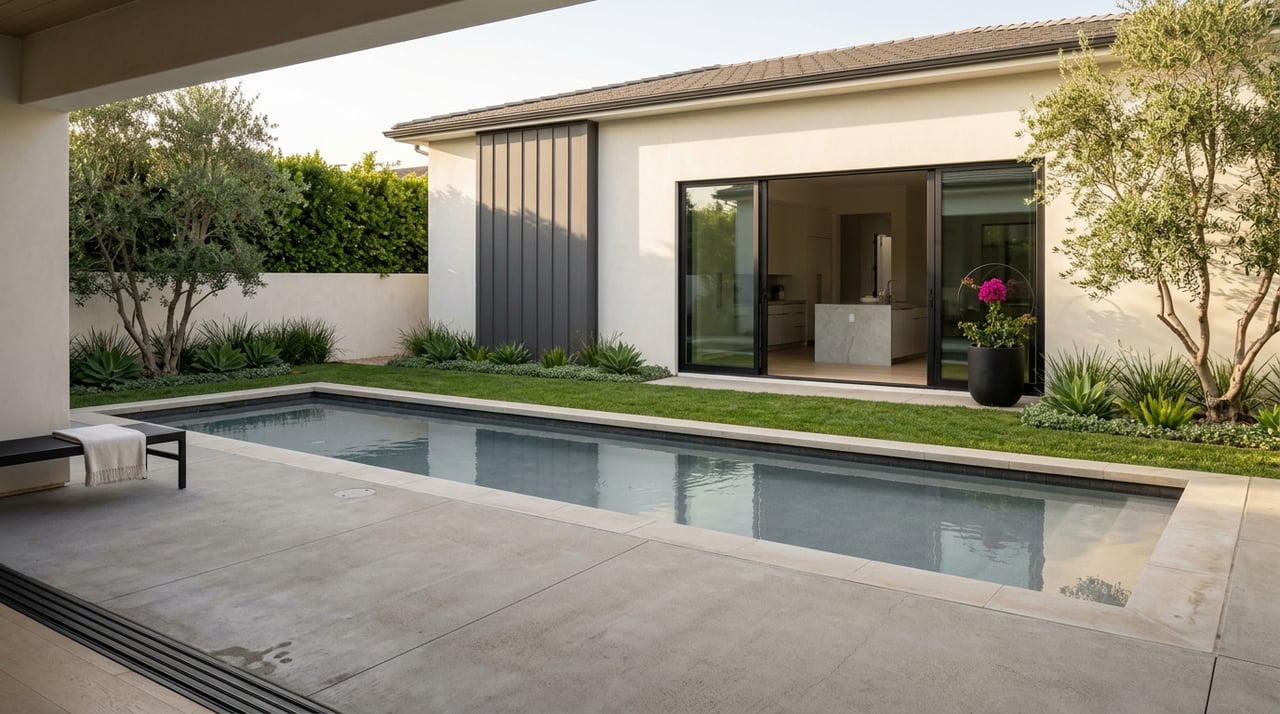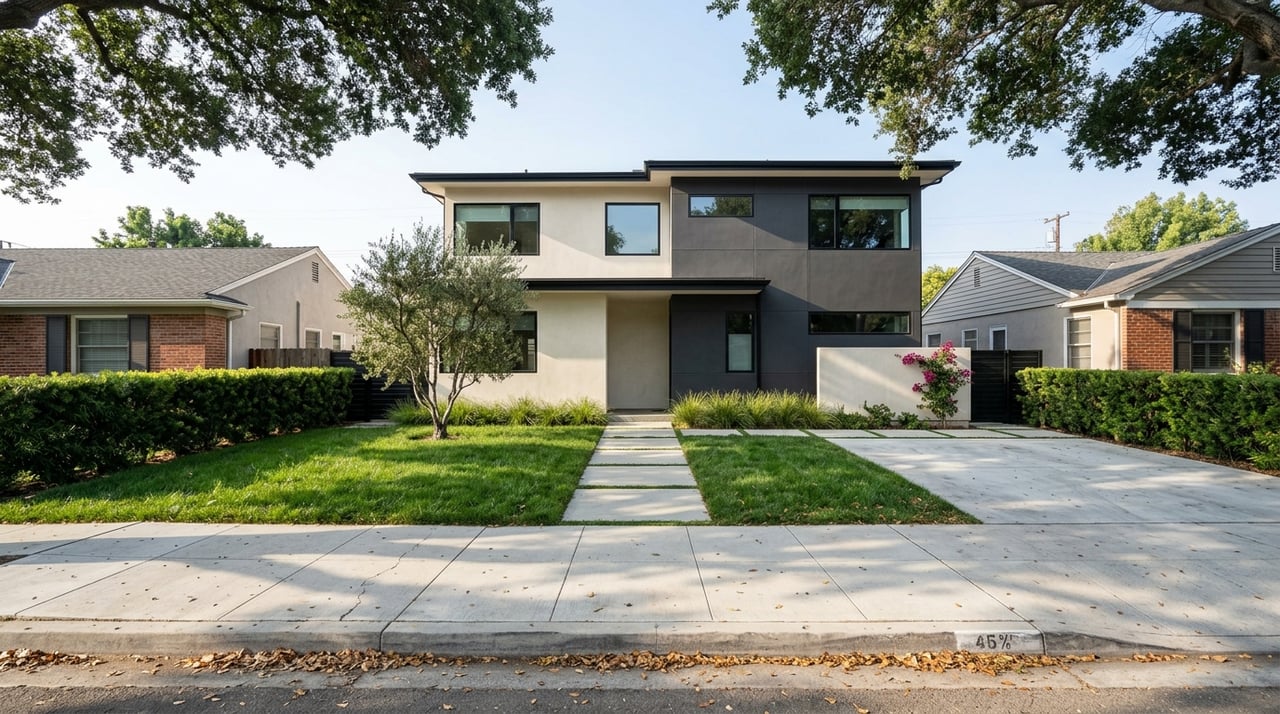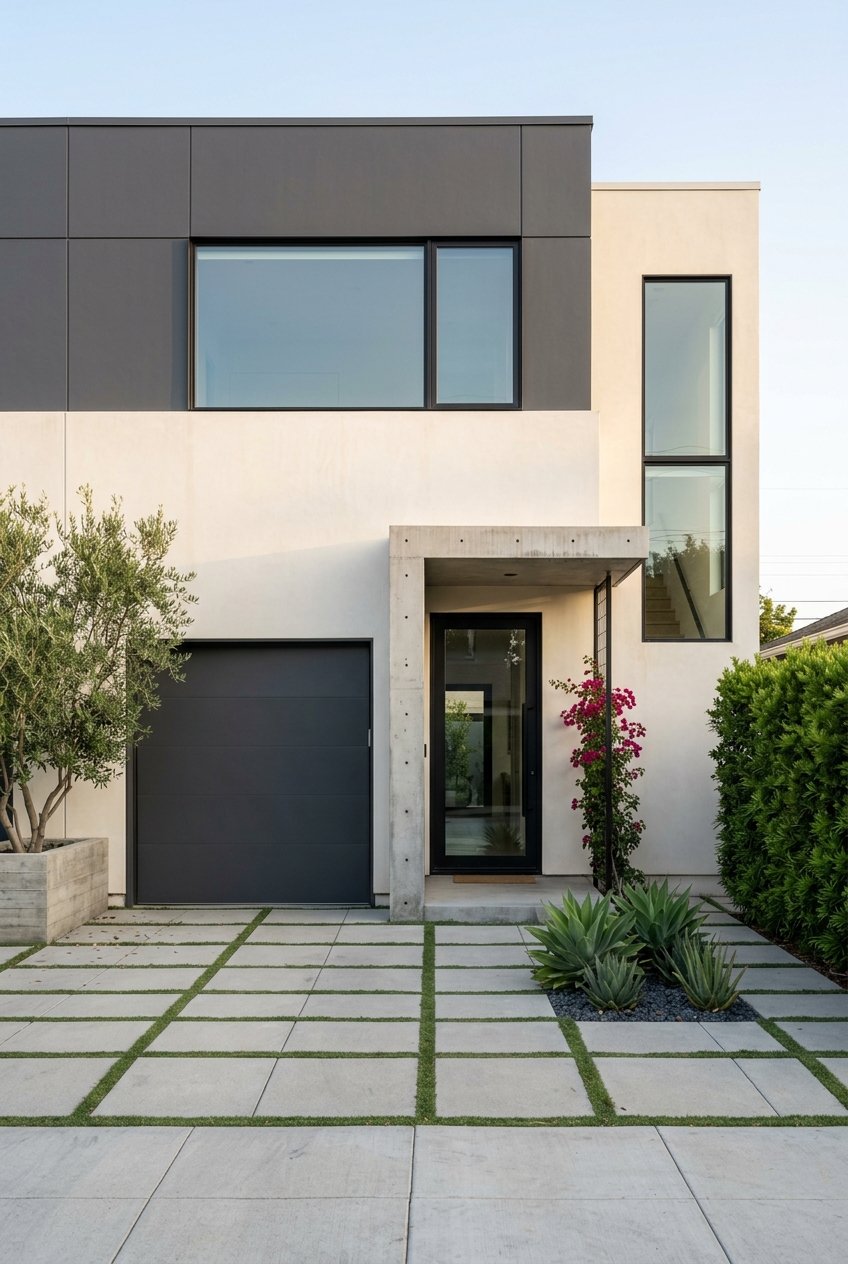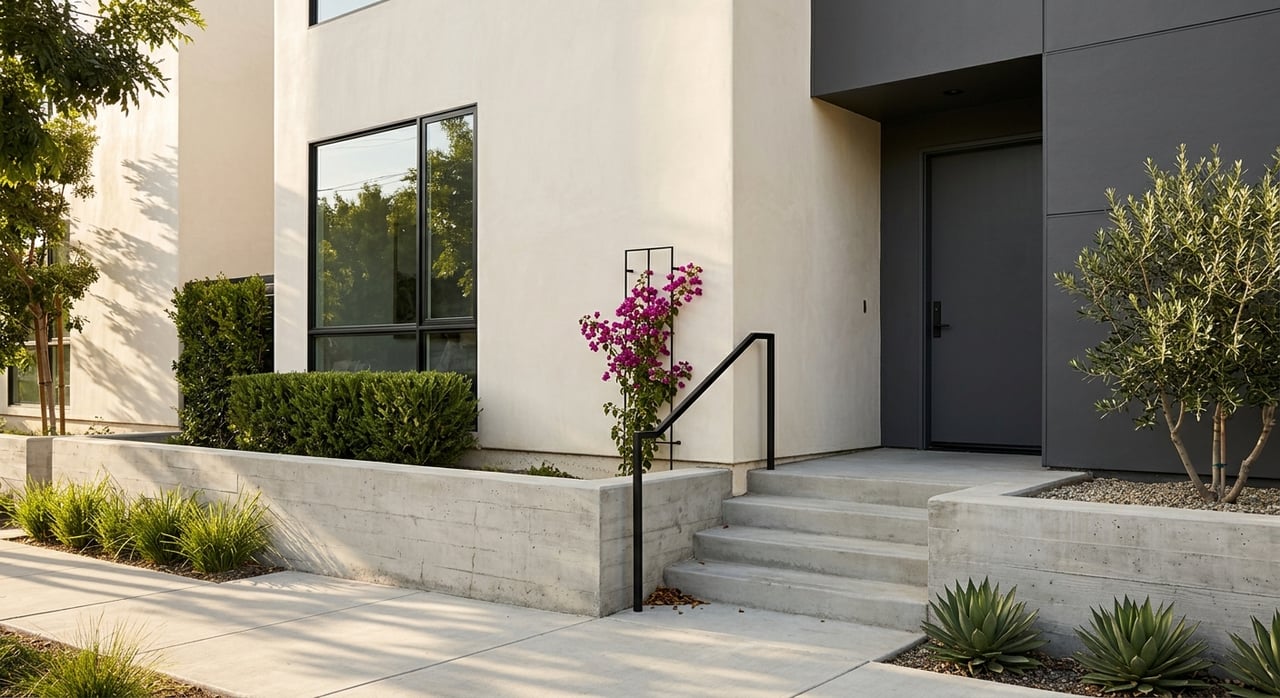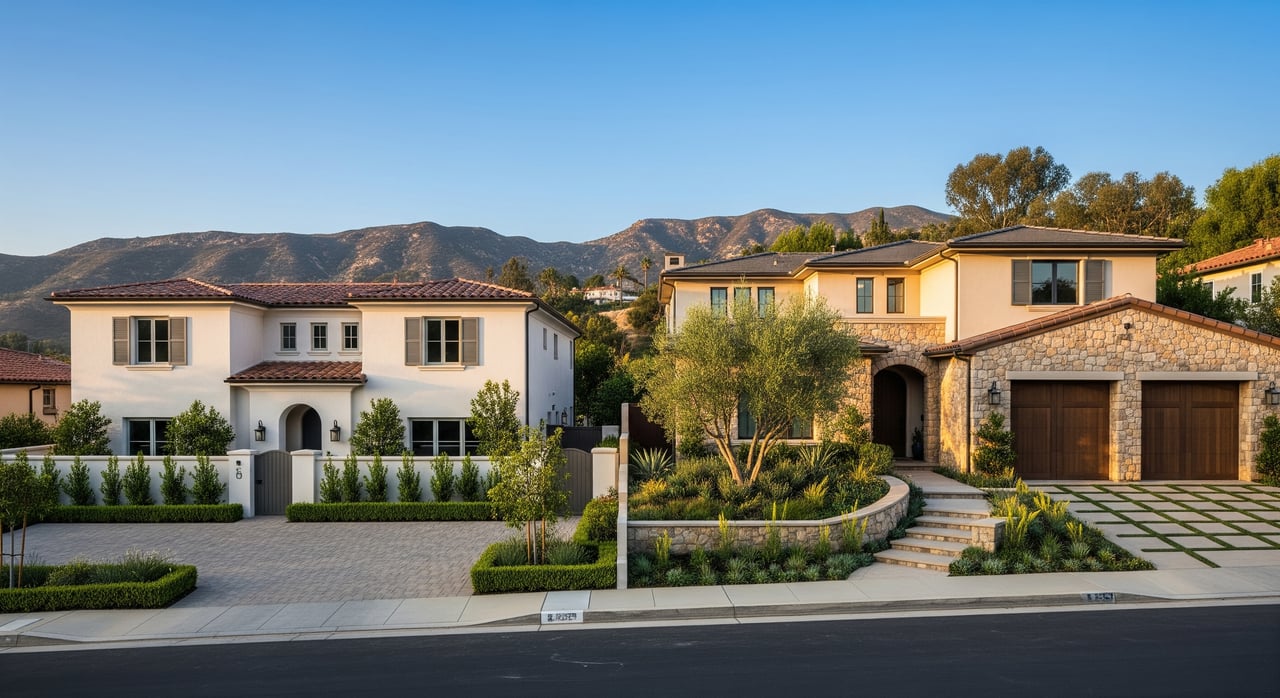
Trying to decide between a home with an HOA and one without in Granada Hills? You want the right balance of freedom, upkeep, and long-term value, and that choice can feel big. In this guide, you’ll learn the real day-to-day differences, how California rules affect you, and what to look for before you write an offer. Let’s dive in.
HOA vs non-HOA in Granada Hills
Granada Hills sits in the San Fernando Valley section of Los Angeles and is mostly single-family homes. You’ll also find pockets of townhomes and condos, especially near major corridors. Newer attached communities and small gated enclaves are more likely to have HOAs, while most single-family streets do not.
- HOA homes: Common in condos, townhomes, gated enclaves, some newer tracts, and a few master-planned subdivisions. The association manages common areas and enforces community rules.
- Non-HOA homes: Independent ownership with no association. You manage and fund all maintenance yourself.
Day-to-day differences that matter
Monthly costs and assessments
- HOA homes: You pay monthly dues. Dues often cover common area upkeep, amenities, management, and insurance on shared structures for condos. Associations can levy special assessments for major repairs or unexpected costs.
- Non-HOA homes: No association dues. You pay out of pocket for roof, exterior painting, fencing, driveway, landscaping, and any pool or yard care.
Maintenance and services
- HOA homes: The association typically maintains shared landscaping, amenities, and private streets or gates. Condo dues often include exterior and roof maintenance and building insurance.
- Non-HOA homes: You handle all maintenance, which gives you control over timing and cost but requires more effort.
Rules and lifestyle controls
- HOA homes: Rules and CC&Rs guide parking, exterior paint colors, visible additions, pets, noise, and rentals. Architectural changes often require approval.
- Non-HOA homes: Fewer private restrictions. You follow city codes and zoning. You gain autonomy, but neighbors are not bound by HOA standards.
Insurance and liability
- HOA homes: The HOA carries a master policy for common areas, and for condos usually the building shell. You still need the right personal policy to cover interiors, contents, and liability.
- Non-HOA homes: You carry a standard homeowner policy for the structure, contents, and liability.
Amenities and community feel
- HOA homes: You might get access to a pool, fitness room, play areas, or gated entry. These can add convenience if you use them.
- Non-HOA homes: Fewer built-in amenities, but total freedom to design your property as you wish.
Enforcement and disputes
- HOA homes: Rules are enforced through notices, hearings, fines, and in serious cases liens, with procedures set by California law and the association’s bylaws.
- Non-HOA homes: Disputes typically go through private resolution or city code enforcement.
California rules and disclosures you should know
Davis-Stirling basics
California HOAs operate under the Davis-Stirling Common Interest Development Act. It sets standards for assessments, elections, records, and access to association documents. Understanding these procedures helps you plan for fees, meetings, and approvals.
What sellers must provide
Sellers must deliver a resale package that includes CC&Rs, bylaws, rules, budgets, reserve studies, insurance policies, and meeting minutes. You should also get a resale or estoppel certificate that outlines dues, any upcoming assessments, and association contacts. Timing and fees for these documents are regulated.
Financing and lending constraints
Condos and some attached projects must meet lender guidelines. Factors like owner-occupancy ratios, HOA delinquencies, and project litigation can affect loan options, including FHA and VA. Lenders also count monthly HOA dues in your debt-to-income ratio, which can change how much you qualify for.
Special cases
Mobilehome parks or homes on leased land follow different rules and rent or lease regulations. If that applies, complete a separate review of the park or lease documents.
Resale and value in Granada Hills
The impact of an HOA on resale depends on management quality, dues, and amenities. A well-run HOA with strong curb appeal and useful amenities can attract buyers and support pricing. High dues, restrictive rules, or poor financial health can narrow your buyer pool and slow a sale.
Non-HOA homes often appeal to buyers who value autonomy, want room to customize, or prefer no ongoing dues. If you plan significant exterior changes, a non-HOA property may fit better.
Which option fits your lifestyle
Choose an HOA home if you want lower exterior maintenance, value amenities, and are comfortable following community rules. This can be a great fit for busy professionals or anyone who prefers predictable upkeep.
Choose a non-HOA home if you want maximum control, flexibility on design, or plan projects that may not pass an architectural review. This can suit hands-on owners or those who want to avoid monthly dues.
Real-world examples you may see nearby
- A 3-bedroom condo near major retail with an HOA that covers exterior insurance, roof, and a shared pool. You budget for monthly dues and follow community rules.
- A small gated enclave of detached homes with modest dues for gate and landscaping along private streets. You enjoy privacy and some maintenance handled for you.
- A classic single-family home on a non-HOA street where you choose your paint color, design your yard, and handle all repairs on your timeline.
Always verify the details on any listing, including current dues, what the dues cover, reserve levels, and any planned assessments.
Buyer due diligence checklist
Before you write an offer, ask your agent to request:
- Current monthly dues and a breakdown of what they cover.
- Recent budgets and the latest reserve study.
- Any upcoming or recently approved special assessments.
- CC&Rs, bylaws, rules, and architectural guidelines.
- Minutes from recent board meetings and any litigation disclosures.
- Owner-occupancy and rental limits if you plan to finance or rent.
- Proof of insurance and what the master policy covers.
During your contingency period:
- Review all documents carefully and confirm there are no hidden assessments.
- Confirm project approval with your lender if using FHA or VA financing.
- Ask for recent statements showing reserves and delinquency rates.
- Consider an attorney review for large or complex associations.
Seller prep checklist for HOA properties
- Assemble your resale package early: CC&Rs, rules, budget, reserve study, insurance certificate, recent minutes, and the association’s resale or estoppel certificate.
- Disclose any known assessments or HOA disputes.
- Be transparent about dues and rules in your marketing to attract the right buyers.
Red flags to watch
- Very low reserve balances or a recent pattern of special assessments.
- High delinquency rates among owners.
- Active litigation involving the association or major construction defects.
- Rules that conflict with your intended use, such as strict rental limits.
- Poor communication or unclear financial reporting from management.
Smart negotiation tips
- Compare total monthly housing cost across options. Add mortgage, taxes, insurance, HOA dues, and a realistic maintenance reserve for non-HOA homes.
- If dues are high compared to similar non-HOA options, discuss price adjustments or a seller credit toward an upcoming assessment where allowed.
- Strengthen your offer by showing you reviewed budgets, reserves, and any litigation disclosures. This signals readiness and can reduce friction during escrow.
Your next step
Choosing between HOA and non-HOA living in Granada Hills comes down to how you want to live, what you want to maintain, and how you plan to finance. With the right due diligence, you can buy with confidence and avoid surprises. If you want a clear side-by-side of specific homes, expert document review support, and a smooth escrow, connect with The Payab Group for white-glove guidance from local San Fernando Valley specialists.
FAQs
What do HOA dues usually cover in Granada Hills condos?
- Dues commonly fund common area maintenance, exterior and roof for condos, association insurance, management, and amenities such as a pool or gym, but you should verify the exact coverage in the HOA budget and resale documents.
Can high HOA dues affect my mortgage approval?
- Yes, lenders include monthly HOA dues in your debt-to-income ratio and may limit approval if dues are high relative to income or the property value.
How do I check an HOA’s financial health before buying?
- Review the reserve study, current budget, recent board minutes, delinquency rates, and any history of special assessments to understand future risk.
Will HOA litigation hurt my ability to finance a condo?
- It can, since active litigation may affect project eligibility for certain loans and could change lender terms or options.
Do non-HOA homes in Granada Hills still have rules?
- Yes, properties without HOAs must still comply with City of Los Angeles codes, zoning, and building standards, even without private community rules.