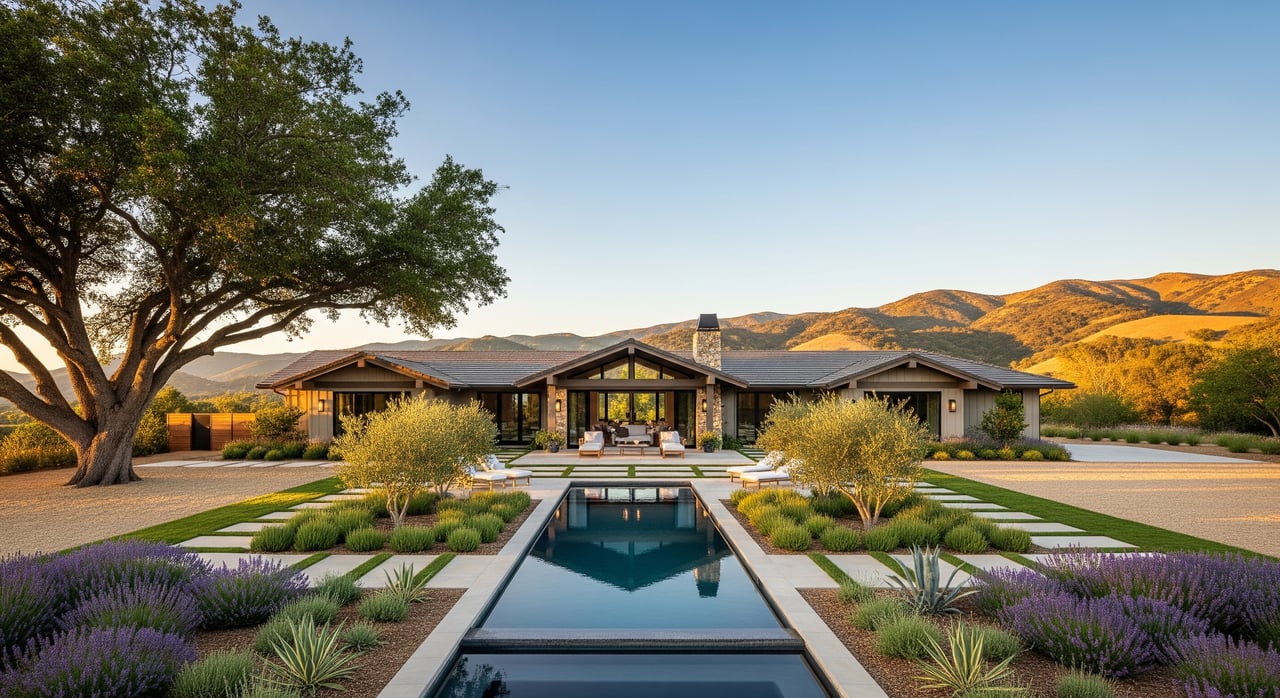
Have you been picturing easy single-level living with a sunny backyard and room to entertain? If so, a ranch-style home in Simi Valley may be a perfect fit. You want a home that is practical, comfortable, and has long-term appeal. This guide shows you what to look for, what to inspect, and how to shop smart for Simi Valley ranch homes so you can buy with confidence. Let’s dive in.
Why ranch-style works in Simi Valley
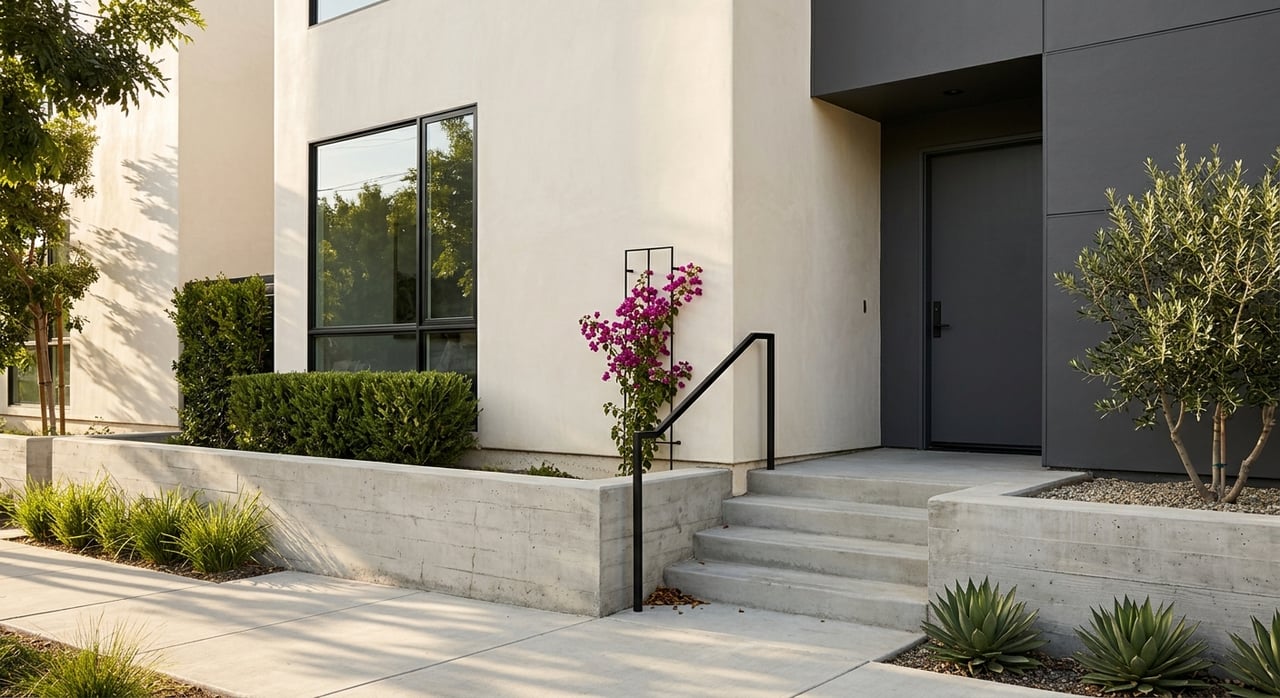
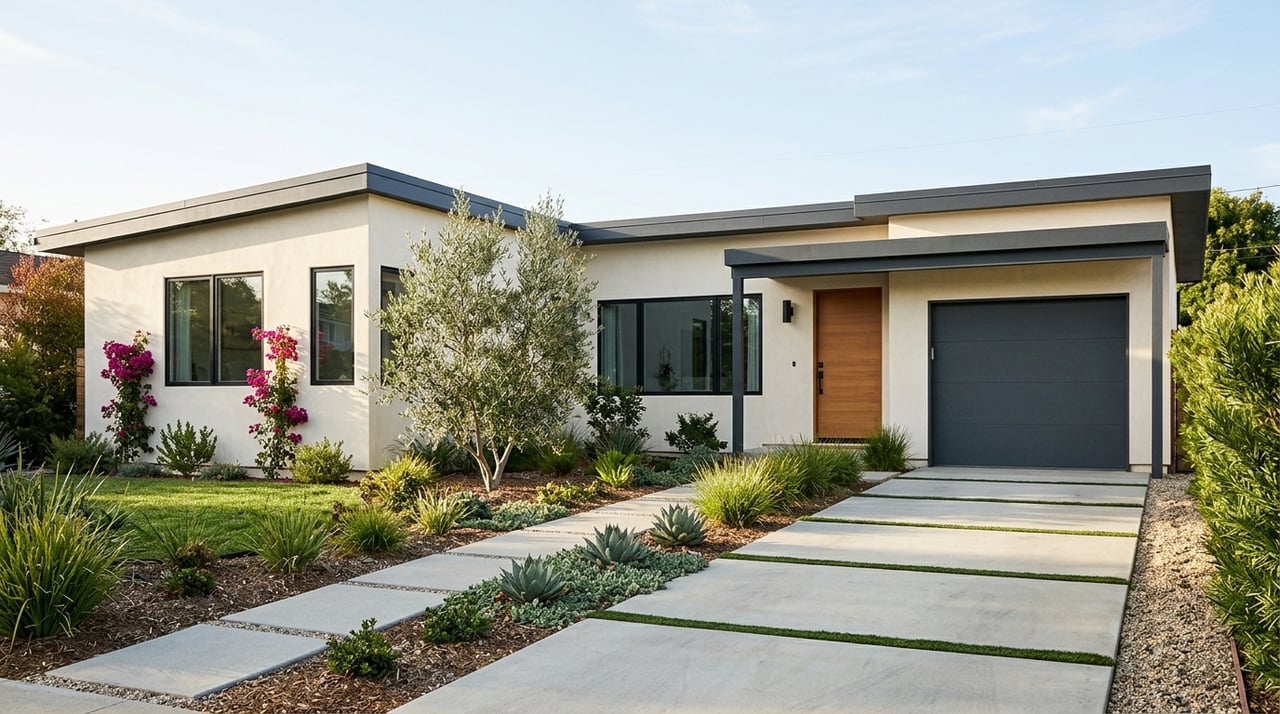
Ranch homes are a natural match for Simi Valley’s suburban lifestyle. Many properties were built from the 1950s through the 1970s, with newer single-story options added later. You will find modest mid-century layouts as well as expanded and updated homes with open kitchens and outdoor patios.
These homes attract a wide range of buyers. You may be planning for long-term accessibility, or you may want a yard for gatherings and pets. Single-story convenience is a major draw, and demand often stays strong for well-located ranch properties with good flow, storage, and outdoor living.
Local pricing and time on market vary by neighborhood, lot size, and condition. Upgrades to kitchens, bathrooms, and outdoor areas can have an outsized impact on value and resale.
What Simi Valley ranch homes look like
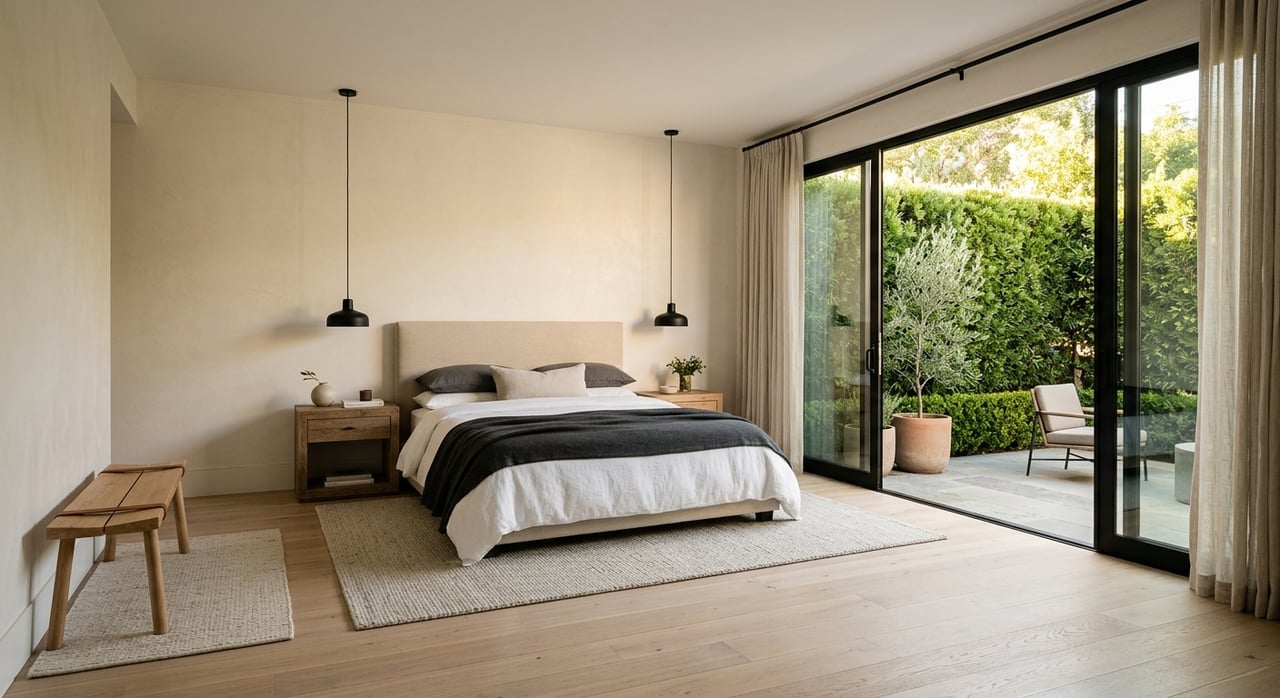
Expect single-level floor plans with easy movement between living, dining, and kitchen areas. Some original mid-century plans are more compartmentalized, while many have been opened up. Sliding doors to a backyard patio are common.
- Bedrooms and baths: often 2 to 4 bedrooms and 1 to 3 baths.
- Size: roughly 1,000 to 2,500+ square feet depending on era and additions.
- Lots: many are about 5,000 to 8,000 square feet, with larger lots up to 10,000 to 20,000+ square feet in certain pockets.
- Garages: attached 2-car garages are typical.
- Outdoor features: patios and pools are common, especially on medium and larger lots.
Where you will find them
You will see many ranch homes in established neighborhoods near the city core and across the valley floor. There are also areas with larger lots and more recent construction that still favor single-story living, including parts of West Simi and communities such as Wood Ranch. Since street-by-street details matter, ask for recent ranch-style sales in the specific neighborhoods you like to set realistic expectations.
A smart touring checklist
Bring this practical list to your first showings. It helps you notice the details that affect comfort, maintenance, and long-term value.
- Roof and drainage: look for missing shingles, patched areas, ceiling stains, and whether the grading moves water away from the foundation.
- Exterior wood: check fascia, eaves, and siding for rot or termite evidence.
- Foundation and floors: note cracks, sloping, or doors that stick as signs of settlement.
- Windows and sliders: observe operation, drafts, and glazing. Double-pane windows can improve comfort and efficiency.
- HVAC performance: test heating and cooling, and listen for noisy ductwork.
- Kitchen and baths: look for recent updates, water stains, and ventilation in wet areas.
- Backyard and pool: assess patio space, pool condition, safety gates, and equipment location.
- Additions and conversions: look for signs of unpermitted work such as inconsistent finishes or blocked vents. Plan to confirm permit history.
Key inspections and system checks
Older ranch homes can be great purchases when you understand the systems and potential upgrades. Build these checks into your due diligence.
Structural and seismic
Simi Valley is in a seismically active region. Many older homes may lack modern seismic features. Ask your inspector to evaluate the foundation, any crawlspace bracing, and sill plate bolting. Chimneys and cripple walls in raised foundations are common focus areas. If concerns arise, a structural engineer can estimate retrofit costs so you buy eyes wide open.
Roof, gutters, and drainage
Roof age and condition are major cost drivers. Proper grading and functioning gutters and drains help protect slabs and landscaping from water intrusion. Homes near foothills may need attention to slope stability, drainage, and brush management for defensible space.
Termites and wood-destroying organisms
Termite risk is higher in Southern California. Many lenders and buyers request a dedicated WDO inspection. Look for mud tubes, soft or crumbly wood, and prior treatment reports. A licensed pest professional can scope repairs and provide a clearance letter when needed.
Electrical and panel capacity
Older ranches may have smaller electrical service than modern needs. If you plan to add an EV charger or remodel a kitchen, panel upgrades to 100 to 200 amps are common. Confirm presence of GFCI protection in kitchens, baths, garages, and exterior outlets. Your inspector will also look for outdated wiring and subpanel conditions.
Plumbing and sewer laterals
Mid-century homes may have copper, CPVC, or PVC plumbing. In any older home, a sewer line camera inspection is a smart move. It can reveal root intrusion or breaks that lead to backups and unexpected repair bills.
HVAC and water heater
Check age, service history, and performance. Duct sealing can improve comfort and energy use. Water heaters in California should be properly seismically strapped. If you plan to add air conditioning capacity, confirm duct sizing and electrical capacity during inspections.
Pools and outdoor systems
Pool structure, plaster, and equipment age can affect near-term costs. Safety features such as fencing and self-closing gates are important. If you want to add outdoor kitchens or lighting, factor in electrical and gas line extensions.
ADU and expansion potential
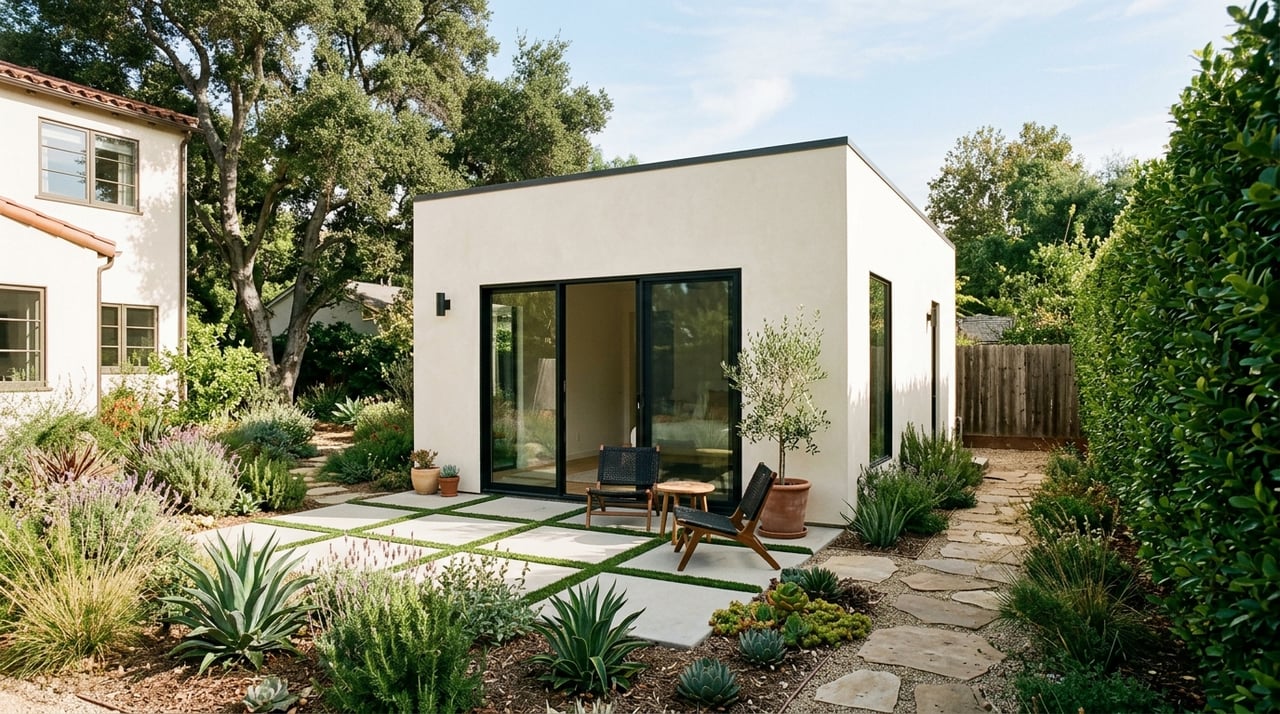
Many Simi Valley ranch homes sit on lots that can accommodate an ADU or a thoughtful addition. California ADU laws have streamlined many approvals, and local City of Simi Valley rules still set setbacks, design standards, and utility requirements. An ADU can help with multigenerational living or rental income potential. Always verify permits and utility plans before you start design, and consider how an ADU or expansion will affect parking and yard usability.
Energy upgrades and incentives
If you want a more efficient home, common improvements include insulation, double-pane windows, duct sealing, modern HVAC, and solar. Incentives and rebates change often, and programs may be available through federal tax credits and local utilities. Ask your contractor to help you review current options and estimate payback. Even modest upgrades can improve day-to-day comfort in a single-story layout.
Permitting and unpermitted work
Ranch homes often see decades of projects, from patio covers to kitchen expansions. Confirm permit history for major work such as additions, garage conversions, electrical panel upgrades, and structural changes. Unpermitted work can affect safety, insurance, future financing, and resale. Request copies of permits, final inspections, and any warranties.
Financing, appraisal, and resale
Appraisers will compare your target home to recent local sales. Features that can improve appraised value include larger lots, permitted ADUs, remodeled kitchens and baths, and well-executed outdoor living spaces. If you plan major renovations right away, explore renovation loan options with your lender to bundle improvements. Many buyers also plan phased updates after closing so they can spread costs and preserve cash.
On resale, single-story living keeps a broad buyer pool interested, especially downsizers and buyers focused on accessibility. Resale still comes down to the fundamentals: floor plan flow, lot usability, storage and garage space, permitted improvements, and overall condition.
How to shop with confidence
Use these steps to streamline your search and protect your budget.
- Clarify must-haves vs. nice-to-haves. Decide how you will use the backyard, garage, and extra rooms so you can evaluate trade-offs quickly.
- Target the right pockets. Ask for recent ranch-style comps in your preferred neighborhoods to confirm pricing and competition.
- Tour the systems, not just the finishes. Roof, drainage, electrical service, and sewer laterals often matter more than paint and fixtures.
- Order the right inspections. General home, WDO, sewer camera, roof, and pool inspections can save you from surprises.
- Verify permits. Request records for any additions or conversions before you remove contingencies.
- Plan your first-year budget. Expect near-term maintenance such as HVAC service, water heater updates, or minor repairs.
- Think long term. If you want an ADU, larger patio, or a more open floor plan, sketch a 3 to 5 year plan with rough costs.
Your next move
If a single-story ranch in Simi Valley checks your boxes, the right strategy and inspections make all the difference. You deserve a trusted guide who understands local housing stock, how to spot value, and how to structure a winning offer while protecting your interests. For personable, white-glove support from search to closing, connect with The Payab Group. We will help you identify the best pockets, line up the right inspections, and negotiate a smooth path to your new home.
FAQs
What is a ranch-style home in Simi Valley?
- A single-story home with an easy-flow layout, attached garage, and direct access to a backyard patio, often built from the 1950s through the 1970s with many updated or expanded over time.
Are ranch homes good for aging in place in Simi Valley?
- Yes, single-level living and minimal stairs can make daily life simpler, and many homes can be upgraded with accessibility features during renovations.
What inspections do I need for an older Simi Valley ranch?
- A general home inspection plus WDO, sewer camera, and roof evaluations are common, with pool and structural engineer reviews as needed based on findings.
Where are single-story homes most common in Simi Valley?
- You will find them in many established neighborhoods across the valley floor and in some foothill pockets, with additional options in West Simi and areas like Wood Ranch.
How do ADUs work with Simi Valley ranch homes?
- Many lots can support a detached ADU or garage conversion under state ADU laws, but you still need to follow City of Simi Valley permit rules for setbacks, utilities, and design.
Do I need a termite inspection when buying in Simi Valley?
- It is highly recommended due to regional risk, and some lenders expect a WDO inspection and clearance before funding.
What upgrades add value to a Simi Valley ranch home?
- Remodeled kitchens and baths, improved outdoor living, permitted ADUs, energy upgrades, and a well-maintained roof and systems typically improve value and appeal.
How should I budget for first-year costs after closing?
- Plan for routine services and common replacements such as HVAC maintenance, water heater updates, minor plumbing fixes, and any immediate safety or code items your inspector notes.